Thinking about a move to Altamonte Springs and trying to figure out where you’ll feel at home day to day? With lakes, trails, a lively Uptown core, and quick highway access, the city offers very different neighborhood experiences within a small footprint. You want a place that fits your commute, your weekend habits, and your daily errands. This guide breaks down the main neighborhood types, commute options, parks and lake access, and everyday conveniences so you can match your lifestyle to the right pocket of town. Let’s dive in.
Neighborhood types to know
Uptown / Cranes Roost (mixed-use core)
If you love walking to dinner, catching outdoor events, and living near a lakeside promenade, Uptown around Cranes Roost Park may fit you best. Expect condos and apartments clustered with restaurants and retail. Sidewalks, promenades, and structured parking make car-free evenings easy. Noise and event activity can be part of the experience, so visit at night and on weekends to get the feel.
Highway-adjacent corridors (I-4, SR 436, SR 434)
These corridors offer fast access for regional commuters and the broadest selection of big-box retail. You’ll find a mix of older single-family homes, multifamily communities, and motels near commercial strips. It suits drivers who want quick jumps onto I-4 and state roads. Walkability is limited along these routes, and traffic can be busier at peak hours.
Lakefront and lake-adjacent residential areas
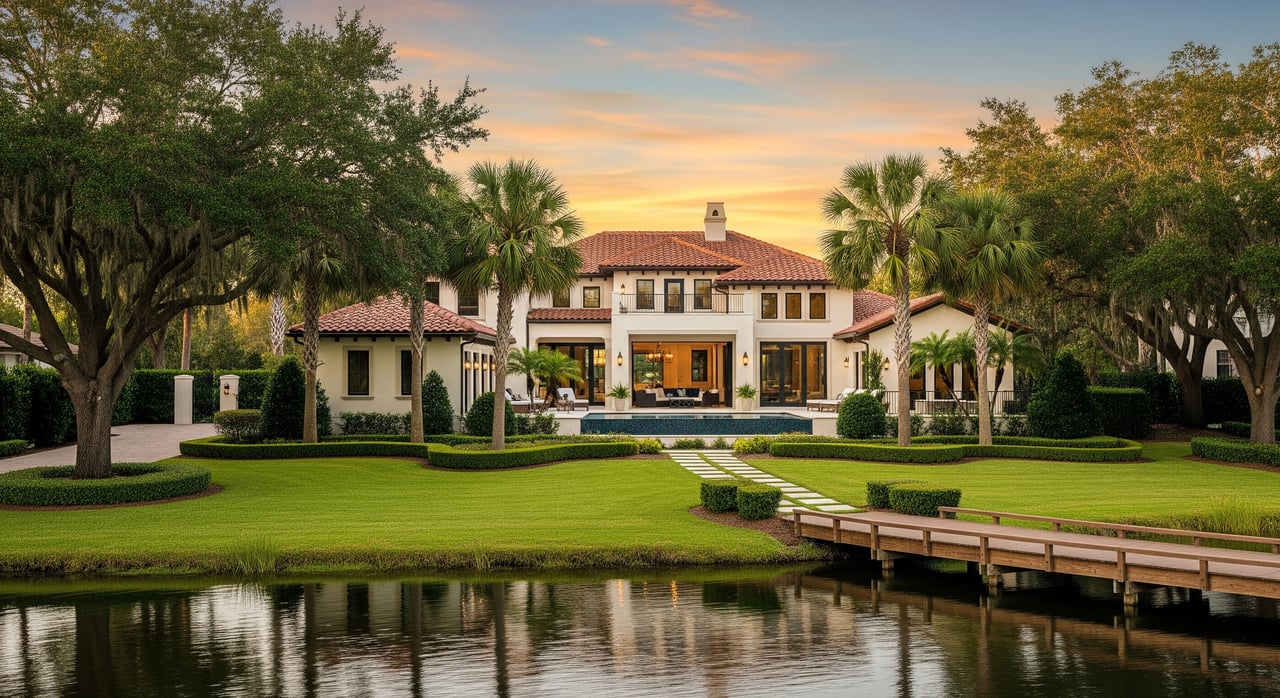
Prefer quieter streets, green views, and the option to paddle or fish? Lakefront and nearby neighborhoods inside the city offer single-family homes with private or nearby access to the water. Some lakes allow small-craft boating and shore fishing, while others have more limited use. Always confirm whether a home’s waterfront is private, deeded, or public access, and check HOA or municipal rules on docks and watercraft.
Established interior single-family neighborhoods
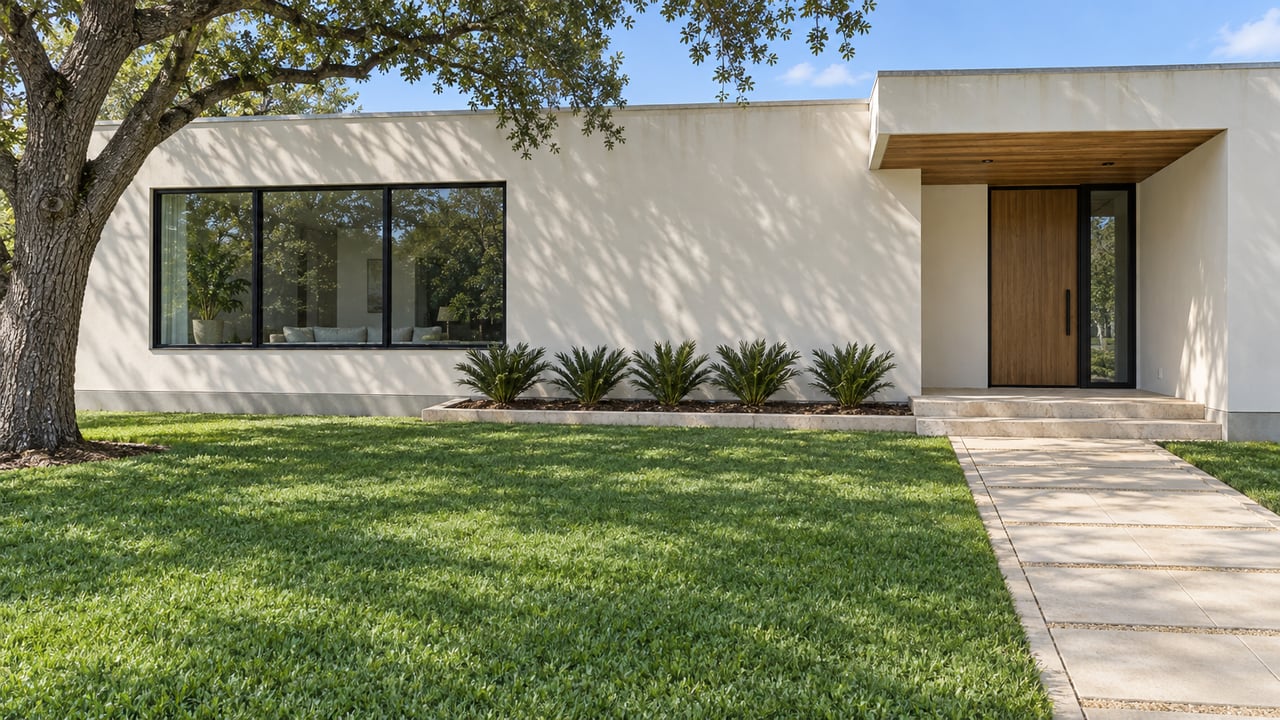
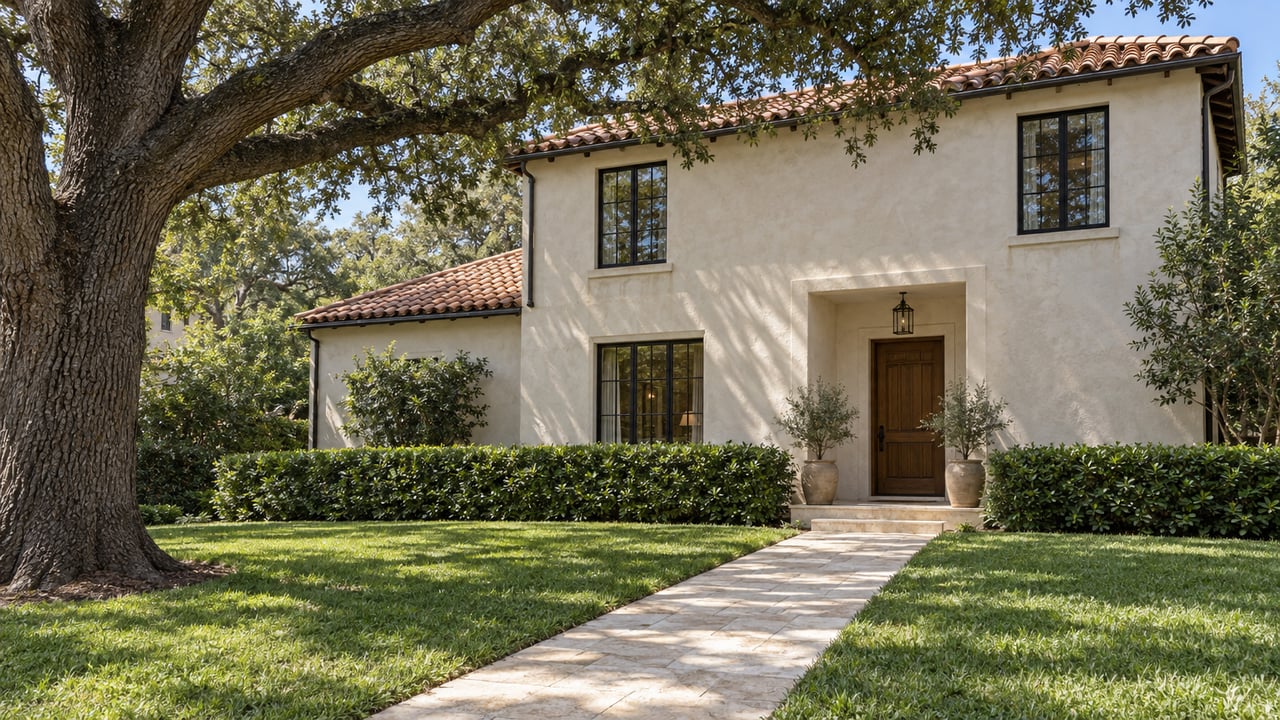
Tree-lined streets and a suburban feel define these interior residential pockets. Homes vary by age and size, and local parks are often a short walk or bike ride away. You’ll likely drive a few minutes for major grocery runs or big-box errands. This is a solid match if you prefer quiet blocks and a yard while staying close to city amenities.
Edge and transition zones near neighboring cities
On the borders with Maitland, Longwood, or Casselberry, you may rely on nearby services outside city limits while enjoying an Altamonte Springs address. These areas can be practical for buyers who want a certain commute path or retail set along a neighboring city’s corridor. Map your daily loop to see if these edges simplify your schedule. Expect a blend of housing types and varied traffic patterns depending on the closest commercial hub.
Commute and transportation
Driving access and timing
Interstate 4 is the region’s backbone, with State Roads 436 and 434 running through and around the city. Living closest to on-ramps can shorten drive times to Downtown Orlando and the I-4 employment corridor. The tradeoff is potential traffic noise and busier streets. Test your route during realistic AM and PM peaks before committing.
SunRail and local buses
Altamonte Springs is served by the regional SunRail commuter line, which connects to downtown Orlando and northern suburbs. Neighborhoods within a short drive, bike, or walk to the station can ease daily highway stress. County bus routes also link residential areas to commercial centers and the station. Check current schedules, station parking rules, and service hours to confirm if transit aligns with your workday.
Walking, biking, and first-mile/last-mile
Uptown and areas around Cranes Roost Park offer the strongest walkability for errands and evenings out. County multi-use trails and greenways add options for running, cycling, and recreational commutes. In highway-adjacent corridors, sidewalks can be less continuous, so plan routes with safety in mind. Ride-share and micro-mobility can help bridge short trips to transit stops or dining clusters.
Parking realities
In the Uptown core, you may rely on structured parking and time-limited street spaces. Highway-corridor neighborhoods usually include driveway or garage parking. If you are considering a condo or apartment, confirm assigned spots and guest parking rules. Visit at night and weekends to see real-world availability.
Parks, trails, and lake life
Signature parks and lakes
Cranes Roost Park sits at the heart of Uptown with a lakeside promenade and amphitheater that hosts community events. City parks offer picnic areas and playgrounds, while county-managed corridors expand your trail mileage beyond city lines. Lake access varies widely across neighborhoods, from scenic shoreline views to potential private or public entry points.
Trails and greenways
Multi-use trails connect pockets of Altamonte Springs and can extend into neighboring communities. If running, biking, or dog walking is part of your daily routine, prioritize neighborhoods with direct trail access. Check whether paths are lit and how they tie into retail or transit nodes. A short bike ride to a trailhead can be a meaningful quality-of-life boost.
Boating, paddling, and fishing
Some larger lakes accommodate kayaking, paddleboarding, and small-craft boating, and certain shorelines allow fishing. Rules for docks, motorized craft, and boat storage depend on lake size, zoning, and HOA guidelines. Before you write an offer, verify the type of access, any permits required, and the activities allowed on that specific body of water.
Everyday conveniences
Groceries and retail
You’ll find multiple supermarkets, pharmacies, and national retailers clustered along SR 436, SR 434, and near Uptown. Interior neighborhoods often require a short drive for bigger shopping trips, while daily essentials are usually within a few minutes of most areas. Curbside pickup and delivery are widely available, but in-person errands still come down to drive-time patterns.
Dining, coffee, and nightlife
Uptown and the Cranes Roost area offer the highest concentration of restaurants, cafes, and evening spots. Highway corridors add more chain dining and fast-service options. Interior residential and lake-adjacent pockets skew quieter, which many residents prefer for evenings at home. Plan a few test nights to see how the options align with your routine.
Healthcare and pharmacies
A full-service hospital and multiple urgent care clinics are located in or near the city, and pharmacies are common in retail centers. For peace of mind, time your drive to the nearest emergency department from homes you are considering. If you have ongoing care needs, include your provider’s location in your daily loop test.
Professional services and utilities
Banks, postal services, salons, and dry cleaners tend to cluster in Uptown and big-box corridors. Check trash and yard service schedules for your specific block. Confirm water, electricity, internet providers, and setup timing before your move. HOAs may add requirements for landscape or waste services in some neighborhoods.
Make your short list: a practical checklist
Use this quick list as you tour properties and neighborhoods:
- Test your commute at AM and PM peaks by car and, if relevant, by SunRail and bus.
- Walk or bike to nearby retail, parks, and transit to gauge real-world convenience.
- Confirm parking setup, HOA rules, and any short-term rental restrictions.
- Verify lake access type and any boating or dock regulations for the specific property.
- Locate the closest grocery, pharmacy, urgent care, and hospital, and check hours.
- Evaluate noise sources such as I-4, commercial centers, or event activity at different times.
- Ask which utility companies serve the property and how to set up services.
- For renters, ask about seasonal lease policies and flexibility.
Next steps
If you’re weighing Uptown energy against lakeside calm or want to balance commute time with weekend green space, a guided neighborhood tour can save weeks of trial and error. I can help you map your daily loop, pressure-test commutes, and compare property types that match your lifestyle. When you’re ready to explore homes or prep a sale with smart renovation and staging advice, reach out to Brenda Feliciani for local, step-by-step guidance.
FAQs
What are the most walkable areas in Altamonte Springs?
- Uptown and the blocks around Cranes Roost Park are the most walkable, with dining, retail, and events nearby; other areas generally require short drives for bigger errands.
Is SunRail a practical daily commute option here?
- It can be if your work location aligns with SunRail stations and schedules; proximity to the station and parking availability are key factors to confirm.
Which neighborhoods feel quiet and residential?
- Interior single-family neighborhoods and lake-adjacent streets typically offer quieter blocks and more green space while keeping city amenities within a short drive.
How is traffic on I-4 and state roads during rush hour?
- I-4, SR 436, and SR 434 carry heavy commuter volumes at peak times; testing your route at realistic hours is the best way to gauge fit.
Can I get a home with a private lake dock?
- Some lakefront properties permit private docks, but rules vary by lake, zoning, and HOA; verify permissions case by case before you buy.
What should I know about living near commercial corridors?
- Ask about traffic noise, lighting, future development, and local zoning so you understand long-term character and any potential changes.