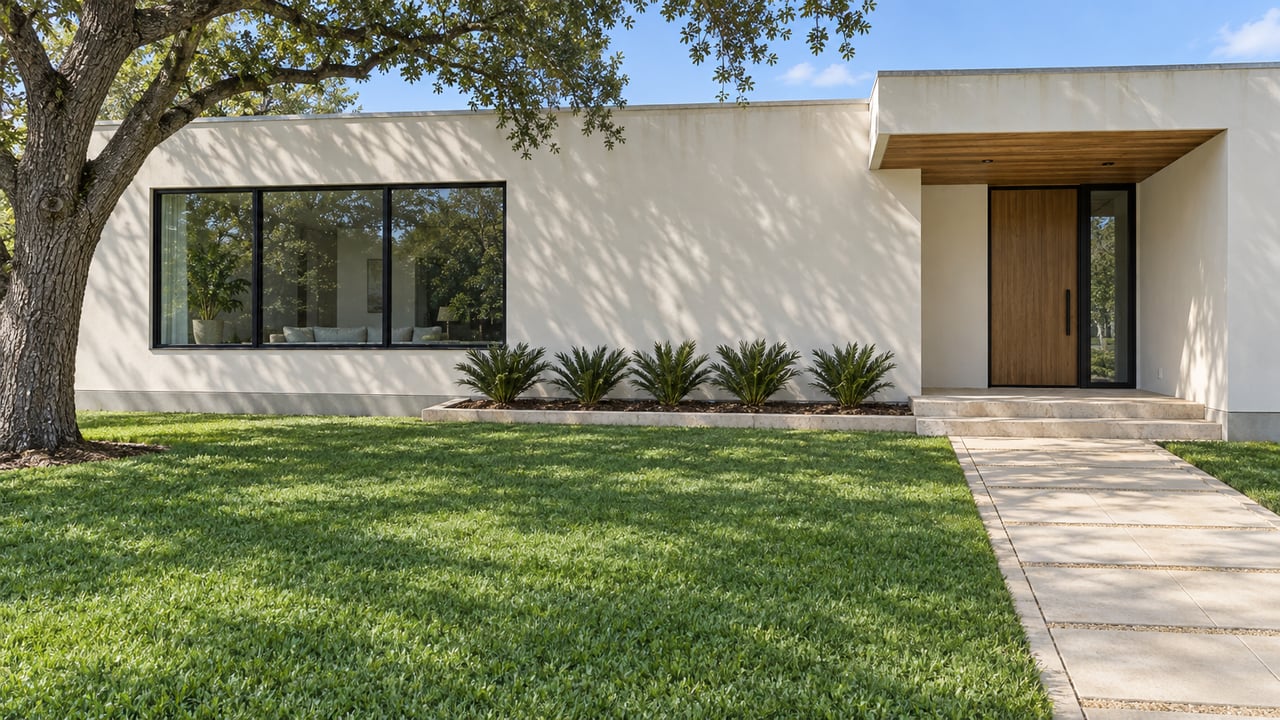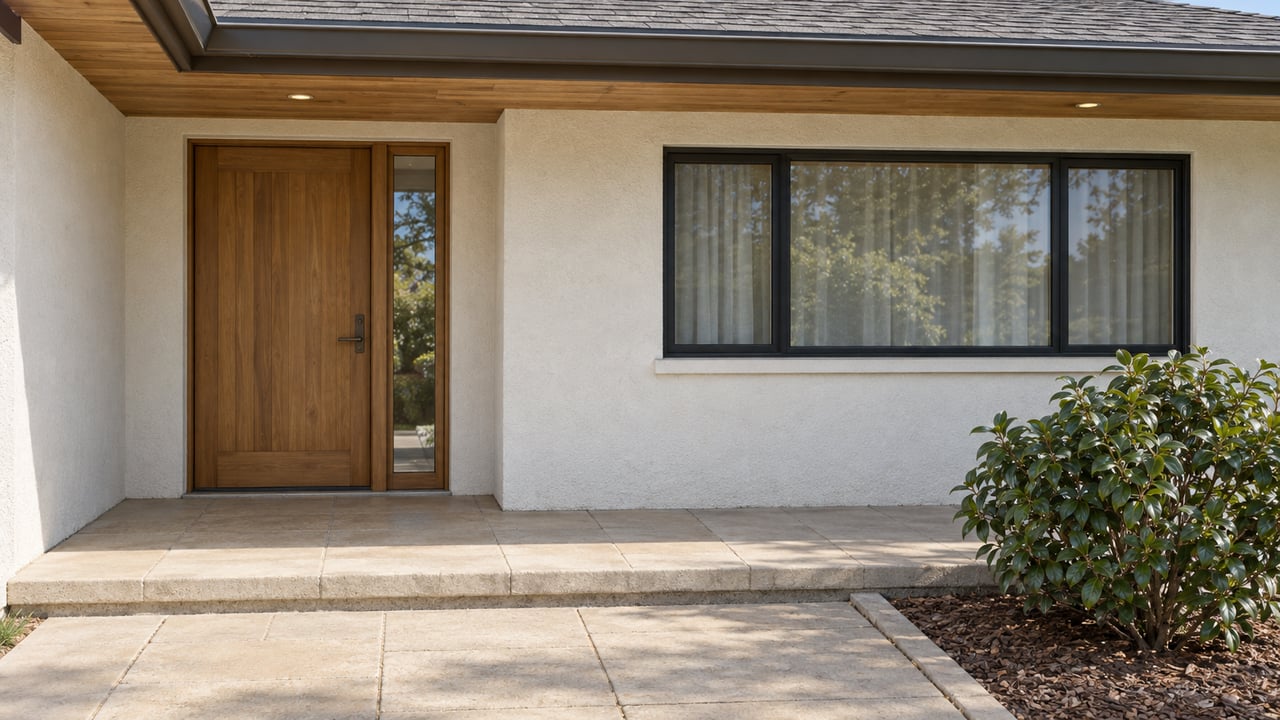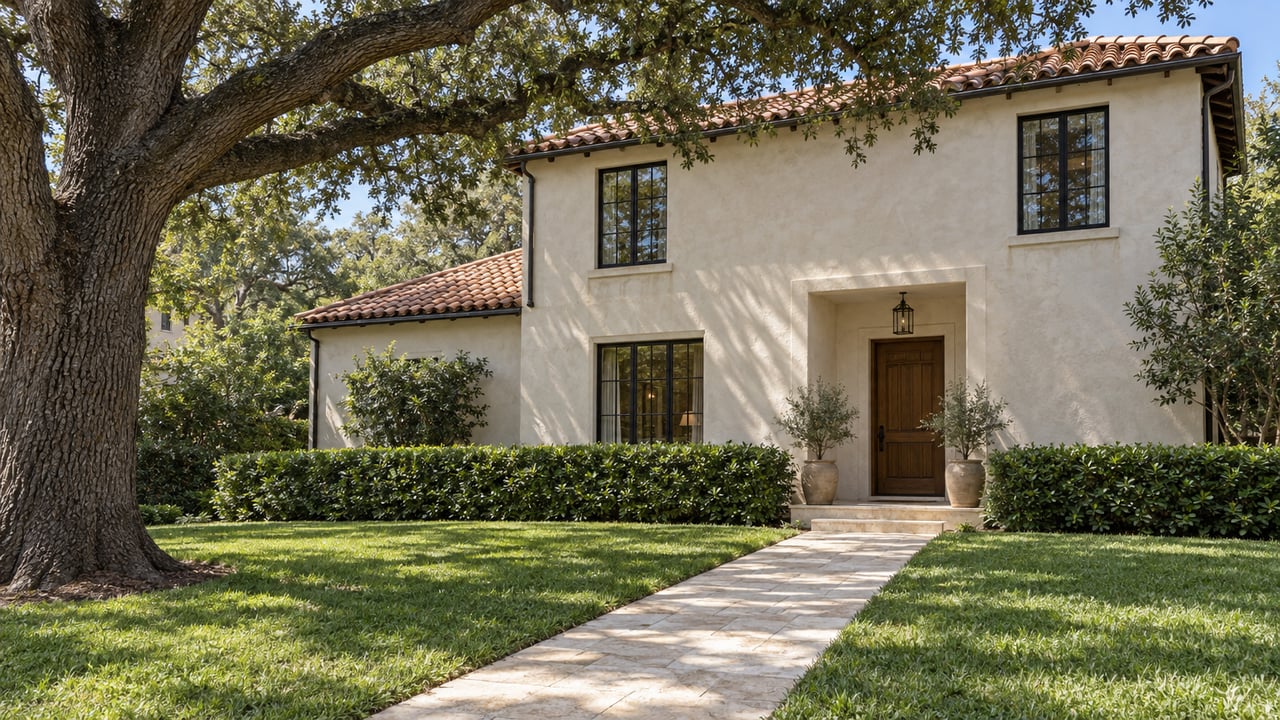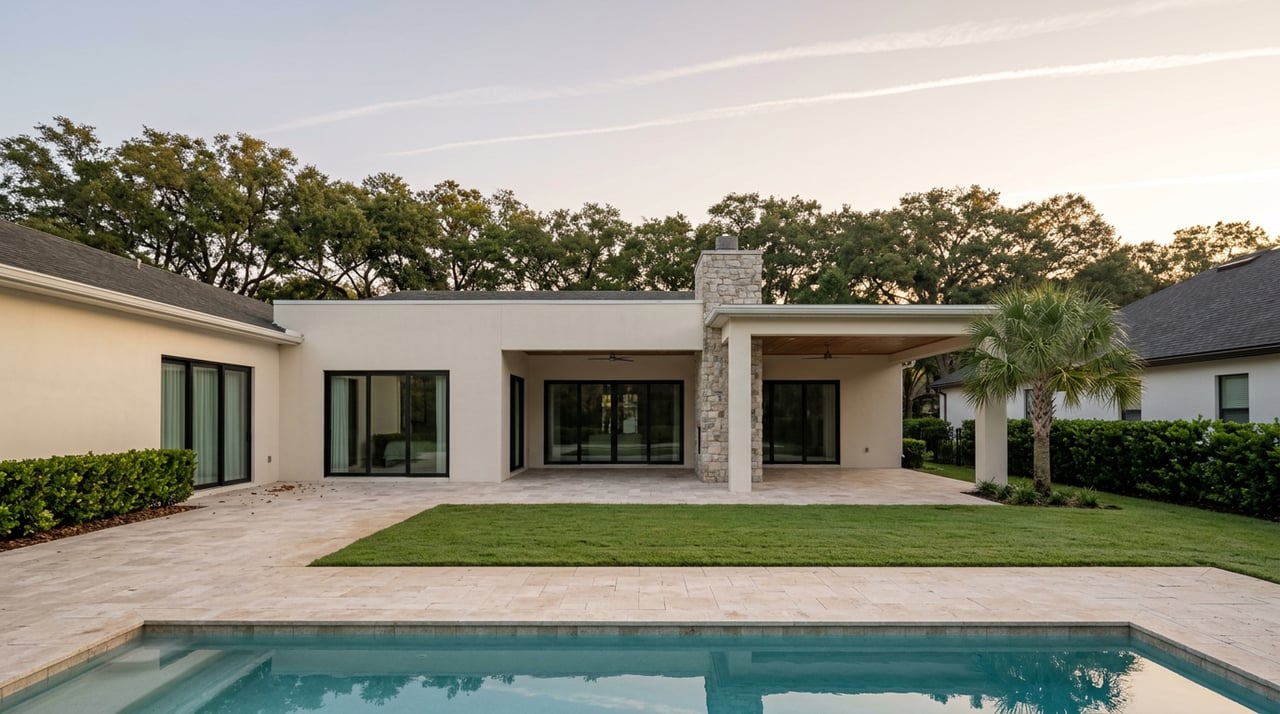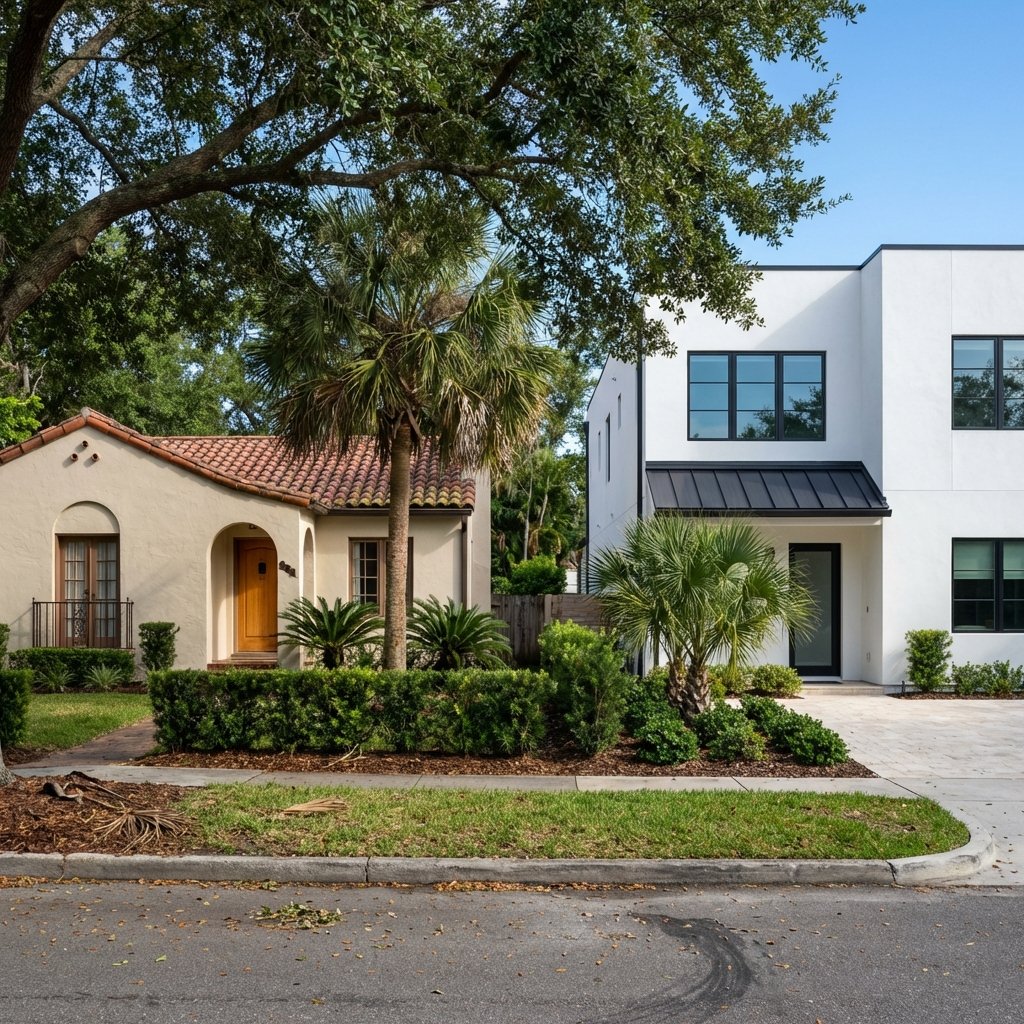
Torn between a Winter Park charmer with storybook curb appeal and a newer build with modern comfort? You are not alone. Many buyers love the character and location perks that come with older homes while also wanting the resilience, energy savings and low maintenance that newer construction offers. This guide walks you through the real differences so you can buy with confidence. Let’s dive in.
What “historic” means in Winter Park
Winter Park treats preservation as a formal program, not just a label. The city maintains a register, maps of local and national designations, survey archives and a review process for exterior changes in designated areas. If a property sits in a registered district, you will likely need a certificate of review for exterior alterations. You can explore rules, maps and the local rehabilitation grant program on the city’s Historic Preservation page at the City of Winter Park.
You also see the city’s architectural roots in signature landmarks like Casa Feliz, a 1930s Spanish Revival home that now serves as a community venue and museum. It reflects the Mediterranean and early 20th-century revival styles that shaped local streetscapes near Park Avenue and Rollins College. If you want a visual anchor for the era, read about Casa Feliz, also known as the Robert Bruce Barbour House, on Wikipedia.
Why it matters: designation can influence what you can do to exteriors and may add review steps to your renovation timeline. At the same time, these neighborhoods often offer mature tree canopies, walkability to cultural amenities and strong identity that many buyers value.
Big differences that shape your choice
Architecture, lot and lifestyle
Historic Winter Park homes often feature rich details like arched openings, courtyards, wood windows, porches and crafted millwork. Lots tend to be mature with canopy trees, and many historic pockets offer convenient access to Park Avenue, the lakes and museums. Newer homes usually prioritize open kitchens, larger primary suites, indoor-outdoor flow and attached garages, with systems and finishes selected for low maintenance. Both paths can deliver a great lifestyle, but they feel different day to day.
Building code and storm resilience
Florida adopted a unified statewide Florida Building Code starting in 2002, and it updates on a three-year cycle. Homes built under these modern codes generally have stronger wind and structural details than many pre-2002 homes. If storm resilience is a priority, treat a 2002 or newer build date as an important marker, as it often correlates with roof-to-wall connections, opening protection and other features recognized by insurers. You can read the code context in Florida Statutes Chapter 553.
If you are considering an older home, retrofits can close the gap. The state’s My Safe Florida Home program offers free inspections and, when funding is available, matching grants for hurricane-hardening improvements. Learn more about current eligibility and timing through the My Safe Florida Home program.
Energy and comfort
Newer homes, or older homes updated to recent code standards, tend to include tighter building envelopes, higher-efficiency HVAC and better-sealed windows and ducts. Over time that can mean steadier indoor comfort and lower operating costs compared to many unrenovated older homes. Florida’s energy conservation provisions live within the Florida Building Code, which the state updates periodically as detailed in Chapter 553. Older homes can be upgraded, so plan for insulation, duct sealing, and HVAC improvements if efficiency is high on your list.
Inspection and maintenance priorities for older homes
Wood-destroying organisms
Termites and related wood-destroying organisms are a year-round reality in Florida. In many Florida transactions, buyers order a WDO inspection that is reported on an FDACS form. It is a routine, important step that can affect negotiations and repair planning. For a plain-language overview, see this explainer on WDO inspections.
Lead-based paint in pre-1978 homes
If the home was built before 1978, federal law requires disclosures for known lead-based paint. Renovation work that disturbs painted surfaces must follow lead-safe practices under EPA’s Renovation, Repair and Painting rule. If you are considering a repaint or remodel, review the EPA’s RRP program rules and consider testing to plan the work safely.
Electrical system checks
Some older properties can contain legacy materials or unpermitted changes that merit a closer look. If your inspection or home age suggests it, a licensed electrician can evaluate panel capacity, grounding and branch wiring. For background on risks and repair approaches for aluminum branch wiring sometimes found in late 1960s to 1970s homes, see the U.S. CPSC’s guidance on repairing aluminum wiring.
Insurance and financing checkpoints
Wind-mitigation inspections and credits
Insurers in Florida often use a standardized Wind Mitigation Verification form, known as OIR-B1-1802, to document features like roof deck attachment, roof-to-wall connections, opening protection and roof shape. A wind-mitigation inspection can reduce the wind portion of your premium when qualifying features are present, and it is useful for older and newer homes alike. Read how carriers use these inspections on Citizens’ page about wind mitigation inspections.
Grants and retrofit help
If an older home needs upgrades, the My Safe Florida Home program may help with both a free inspection and, when funded, matching dollars for approved improvements. Funding windows and eligibility can change, so always confirm current details on the My Safe Florida Home program site.
Lender and insurer requirements
For older Florida homes, carriers and lenders often ask for a 4-point inspection and a wind-mitigation inspection during underwriting. Some will require roof documentation, electrical updates or other fixes as a loan or coverage condition. You can find a concise overview of typical Florida inspection expectations at InterNACHI’s Florida resource page.
How to choose between historic and newer
Choose a historic Winter Park home if you want:
- Character, mature tree canopy and walkability near cultural amenities.
- A distinctive streetscape and an architectural story to steward.
- Willingness to plan for inspections, possible exterior review in designated areas and targeted updates over time.
Choose a newer Winter Park home if you want:
- Modern floor plans, larger ensuites, and low-maintenance systems from day one.
- Construction built to modern Florida Building Code standards.
- Fewer near-term projects and a more predictable operating budget.
Many buyers land in the middle: a well-located older home that has key updates already completed. Your best fit will reflect where you want to live, how you want the home to feel and how much time and budget you want to devote to projects after closing.
A focused Winter Park buyer checklist
- Confirm designation and rules. If the home is historic or sits in a local district, review the city’s process for exterior changes and timing on the City of Winter Park Historic Preservation page.
- Order a full home inspection. Use a licensed inspector to assess structure, roof, drainage and systems. Follow up with roofing or HVAC specialists if flagged.
- Add a WDO inspection. Termite and related activity is common in Florida, and the report is often part of the contract package. See this primer on WDO inspections.
- Get a wind-mitigation inspection. Document roof-to-wall connections, deck attachment and opening protection. These details can drive premium credits. Learn how insurers apply it on the Citizens page about wind mitigation inspections.
- Evaluate age-specific risks. For pre-1978 homes, review lead disclosures and read the EPA’s RRP rules. If the home dates to the late 1960s or 1970s, consider an electrical evaluation with the CPSC’s aluminum wiring guidance in mind.
- Check permits and receipts. Ask for documentation on roofs, HVAC, electrical panels, windows and any structural changes. Permit history helps you understand which updates are recent and compliant.
- Get early insurance quotes. Share any wind-mitigation or roof documents with your agent to price coverage accurately.
- Explore grants and credits. If you plan to upgrade a pre-2002 home, review the My Safe Florida Home program for inspection and grant options.
Work with a renovation-savvy local guide
You deserve straight talk on what each home will require, what it is likely to cost and how to prioritize the first year of ownership. With deep Winter Park roots and hands-on restoration experience, Brenda helps you weigh character and location against maintenance and risk, then builds a plan that fits your budget and timeline. From structuring the offer to coordinating inspections and using renovation insight to protect your investment, you will feel supported at every step.
Ready to compare specific homes and get a clear plan for due diligence, insurance and upgrades? Connect with Brenda Feliciani for local guidance tailored to your goals.
FAQs
What is a Winter Park historic district and how do renovations work?
- Winter Park maintains local registers and districts where exterior changes often require a certificate of review; start with the city’s Historic Preservation page to understand rules and timelines.
Are pre-2002 Winter Park homes unsafe in storms compared to newer builds?
- Not necessarily, but homes built under the modern Florida Building Code since 2002 generally include stronger wind-resistance features; older homes can be retrofitted and may benefit from a wind-mitigation inspection and targeted upgrades per Chapter 553.
Which inspections are most important when buying an older Winter Park home?
- In addition to a full home inspection, prioritize a WDO inspection, wind-mitigation inspection, and age-specific checks like lead-safe practices for pre-1978 homes and an electrical evaluation when the vintage suggests legacy materials; see EPA RRP rules and CPSC guidance.
How can I lower insurance costs on an older Winter Park home?
- Order a wind-mitigation inspection using the OIR-B1-1802 form to document features that may qualify for credits, and share the report with your insurer; Citizens explains the process in its overview of wind mitigation inspections.
Is there financial help to hurricane-harden a pre-2002 home in Winter Park?
- Yes, the state’s My Safe Florida Home program provides free inspections and, when funding is open, matching grants for qualifying improvements; check current eligibility before planning a project.