Thinking about selling your Winter Garden home and wondering which month gives you the best shot at a smooth, top-dollar sale? You are not alone. Timing matters, especially if you want to move in spring without last-minute stress. In this guide, you will learn the best listing windows, how long the process typically takes, and a step-by-step prep plan tailored to Winter Garden. Let’s dive in.
Winter Garden selling seasons
Spring is traditionally the strongest season for buyers across the U.S., and Winter Garden benefits from that pattern. Families often shop in spring to move before summer. At the same time, Central Florida stays active year-round with relocations and mild weather.
Winter months in Florida can attract seasonal and second-home buyers. That means buyer traffic may be steadier here compared to markets up north. Inventory often runs lower in late fall and winter, which can help your home stand out when demand is present.
Pricing and days on market typically improve in spring. Still, the exact advantage shifts year to year. Checking current local MLS data before you choose a specific month will help you pinpoint the best week to go live.
Best months to list
Move in March–April
- Recommended listing window: early to mid January.
- Why it works: You capture early-spring buyers and allow time for a standard 30 to 45 day close. If you go under contract in late January or February, a March or April move is realistic.
- Watchouts: Late November and December often have fewer showings. If you listed in December, plan on stronger marketing and careful pricing.
Move in April–May
- Recommended listing window: late January through early March.
- Why it works: You engage the main spring surge while avoiding peak competition. Contracts written in February or March often close in April or May with a standard timeline.
- Bonus: This window balances strong demand with manageable competition and gives you time to prepare the home well.
Listing in April–May
- Advantage: This is often the busiest period for buyers, which can support strong outcomes.
- Tradeoff: More competing listings can make it harder to stand out. Unless you negotiate a short escrow, closing may fall in late spring or early summer.
Listing in winter months
- Pros: Lower inventory can help you shine. Seasonal and relocation buyers are often active in Florida from November through April.
- Cons: Holiday schedules in late November and December can slow showings. Plan for high-quality marketing, flexible showings, and pricing strategy.
Plan your timeline backward
Most financed transactions in Florida close in about 30 to 45 days after going under contract. Cash deals can be faster, and some financed deals can take longer if there are appraisal, underwriting, or title issues. Build in buffer time for repairs that may come up during inspections.
Work backward from your ideal move date:
- If you want to be moved by late April, aim to list between late January and late February. Target a contract in February or early March.
- If you want keys in hand by May, listing in February or early March typically gives you the runway to close on time.
- If you list in April with a standard closing period, expect to move in late May or June unless you plan for a shorter escrow.
Prep checklist and lead times
Strong preparation increases your odds of a quick, clean sale at a great price. Aim for 6 to 12 weeks of lead time before your target list date.
10–12 weeks before listing
- Order a pre-listing inspection if you want to surface and fix issues early.
- Schedule any larger repairs or contractor work, like roof, HVAC, or structural items.
- Confirm permits and documentation. Resolve any unpermitted work if needed.
- If you have an HOA, start collecting required resale or estoppel documents.
6–8 weeks before listing
- Deep clean, declutter, and depersonalize.
- Refresh landscaping and curb appeal. Florida yards respond well to new mulch, pruning, and irrigation tune-ups.
- Pressure-wash exterior surfaces, repaint trim as needed, and service any pool equipment.
- Obtain staging quotes and lock in a plan if you will stage.
4–6 weeks before listing
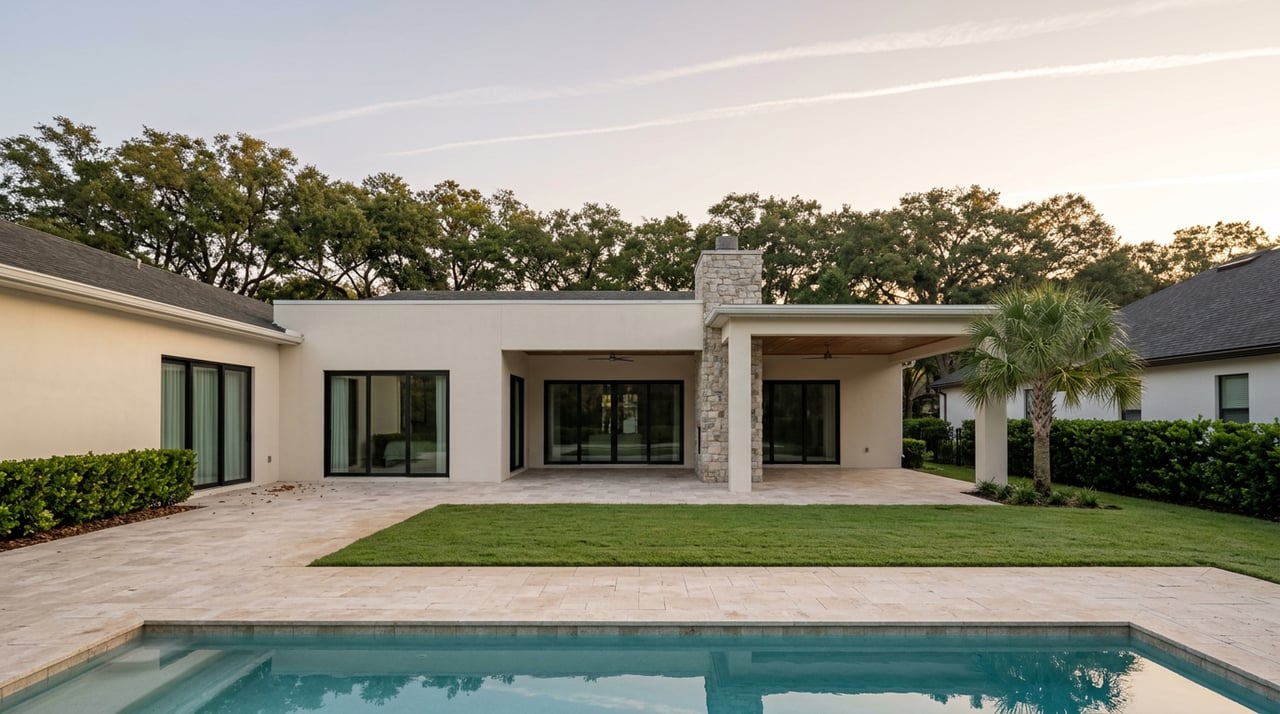
- Schedule professional photography. Consider twilight photos to showcase outdoor living and pool areas.
- Assemble your marketing package: floor plan, neighborhood highlights, and maintenance records.
- Consider a termite or wood-destroying organism inspection if common in your submarket.
2–4 weeks before listing
- Complete final touch-ups and place staging.
- Confirm showing instructions and open house dates. Evening and weekend flexibility helps.
- Coordinate a broker preview to build early interest.
Pricing and competition
Inventory often runs lower in late fall and winter and rises into spring. When inventory is tight and buyer demand is present, you may be able to price close to strong comparable sales and negotiate favorable terms. When spring competition is heavy, sharpen your pricing and presentation to stand out.
Review recent list-to-sale price ratios and median days on market for your segment. Homes near downtown amenities, lake access, or major commuter routes may see different demand patterns than homes farther out, so tailor your strategy to your specific submarket.
Local factors to consider
- Hurricane season: Officially June 1 through November 30. Some sellers prefer to close before summer to avoid weather-related disruptions.
- School calendar: Many families aim to move between school years. If your buyer pool includes families, consider timing your contract so the closing lands before the final school weeks.
- Seasonal buyers: Florida sees added activity from seasonal and second-home buyers from roughly November through April. Winter listings can tap into that demand.
- Neighborhood differences: Downtown-adjacent areas and larger subdivisions can follow different rhythms. Check local metrics for your ZIP code or community.
What to verify right now
Before you pick a listing week, ask for fresh, local data. This year’s best month may shift based on current conditions.
- Active listings and months’ supply for Winter Garden and your ZIP code.
- Median days on market and list-to-sale price ratios by month.
- Showing activity trends to gauge buyer traffic.
- Contract volume and typical closing times in Orange County.
A quick monthly snapshot will tell you whether it is smarter to go live in late January, February, or March for your goals.
How your home will stand out
You get better results when smart preparation meets strong marketing. Here is how a full-service approach helps you maximize value and minimize friction.
- Renovation and staging guidance: Targeted improvements and thoughtful staging can lift your sale price and reduce time on market.
- Modern digital presentation: Professional photography, virtual tours, and polished listing copy highlight outdoor living, pools, lanais, and proximity to historic downtown Winter Garden and local trails.
- Clear strategy and communication: You receive a calendar, showing plan, and regular updates so you always know what is next.
- Negotiation and transaction management: From disclosures to inspections and appraisal, an organized process protects your timeline and bottom line.
Next steps
If your goal is a spring move in Winter Garden, the sweet spot to list is late January through early March. Start your prep now so you can launch with confidence and capture the strongest buyer pool. If you are unsure which week is best this year, ask for a quick MLS data pull for your neighborhood and price band.
Ready to map your timeline, prep plan, and pricing strategy? Reach out to Brenda Feliciani to request your free home valuation and a custom plan for your Spring 2026 move.
FAQs
When is the best month to list in Winter Garden if I want to move in May?
- List between late January and early March. That window helps you catch early-spring buyers and allows a typical 30 to 45 day closing for a May move.
Will a winter listing hurt my sale price in Winter Garden?
- Not necessarily. Winter in Florida can bring seasonal buyers, and lower inventory may help you stand out, though holiday weeks can slow showings.
How long does it take to sell and close in Orange County, FL?
- Many financed deals close in about 30 to 45 days once under contract. Cash closings can be quicker, and complex files may take longer.
How far in advance should I start prepping my home to sell?
- Plan for 6 to 12 weeks for repairs, staging, photography, and documents. You can compress to about 4 weeks for light prep, but it reduces flexibility.
What local data should I check before picking my listing week?
- Review active inventory, months’ supply, median days on market, list-to-sale price ratios, and showing activity for your Winter Garden submarket.
Should I avoid selling during hurricane season in Florida?
- Many sellers prefer to close before summer to reduce weather-related risks. If a spring move is your goal, plan to be under contract and closed before June.