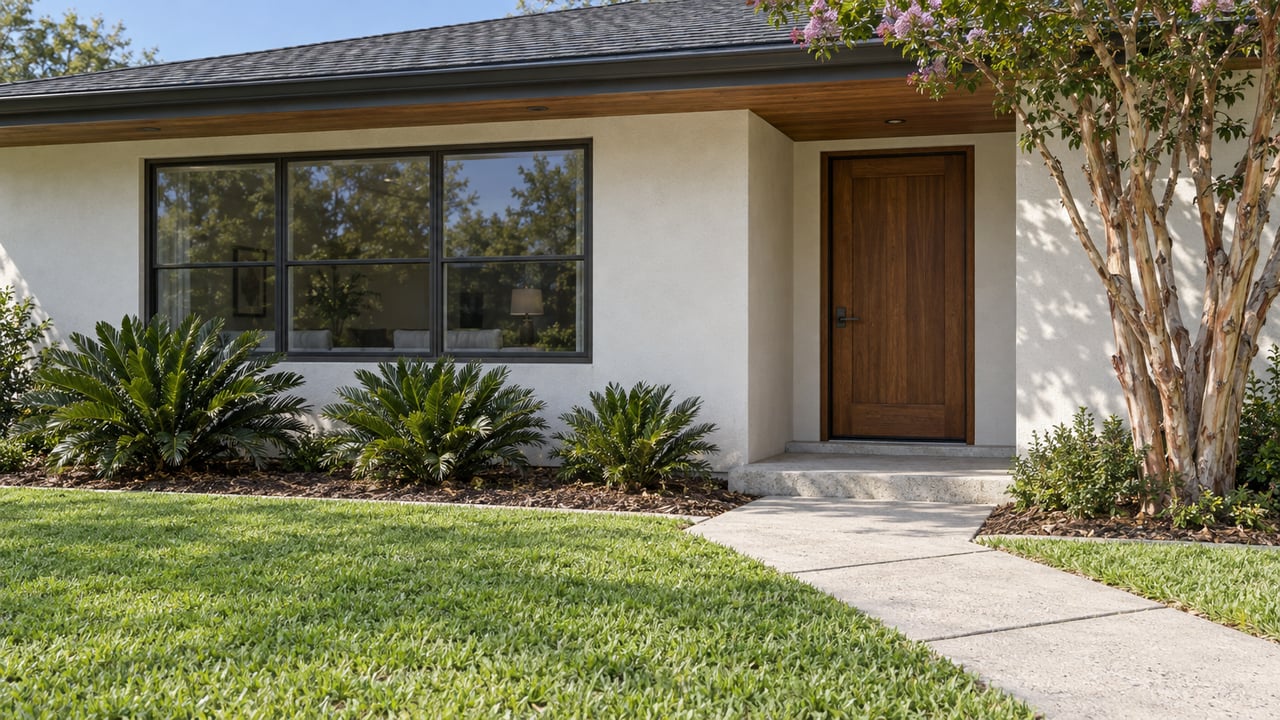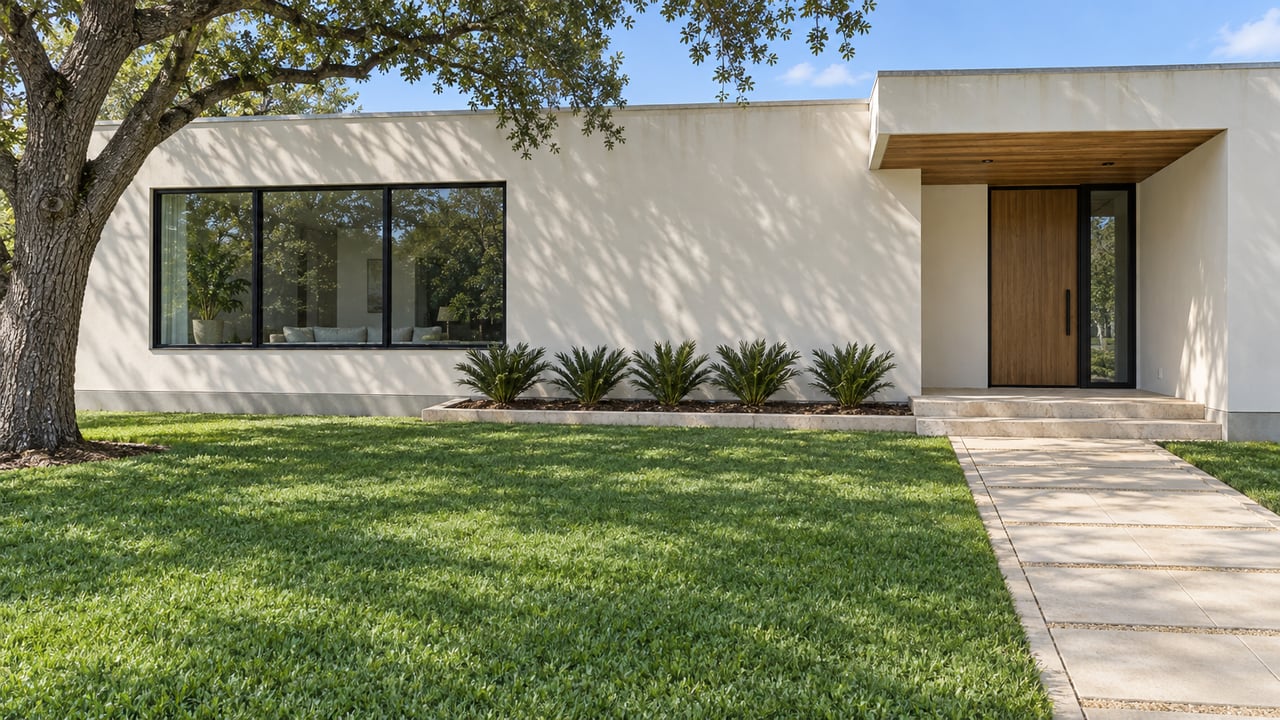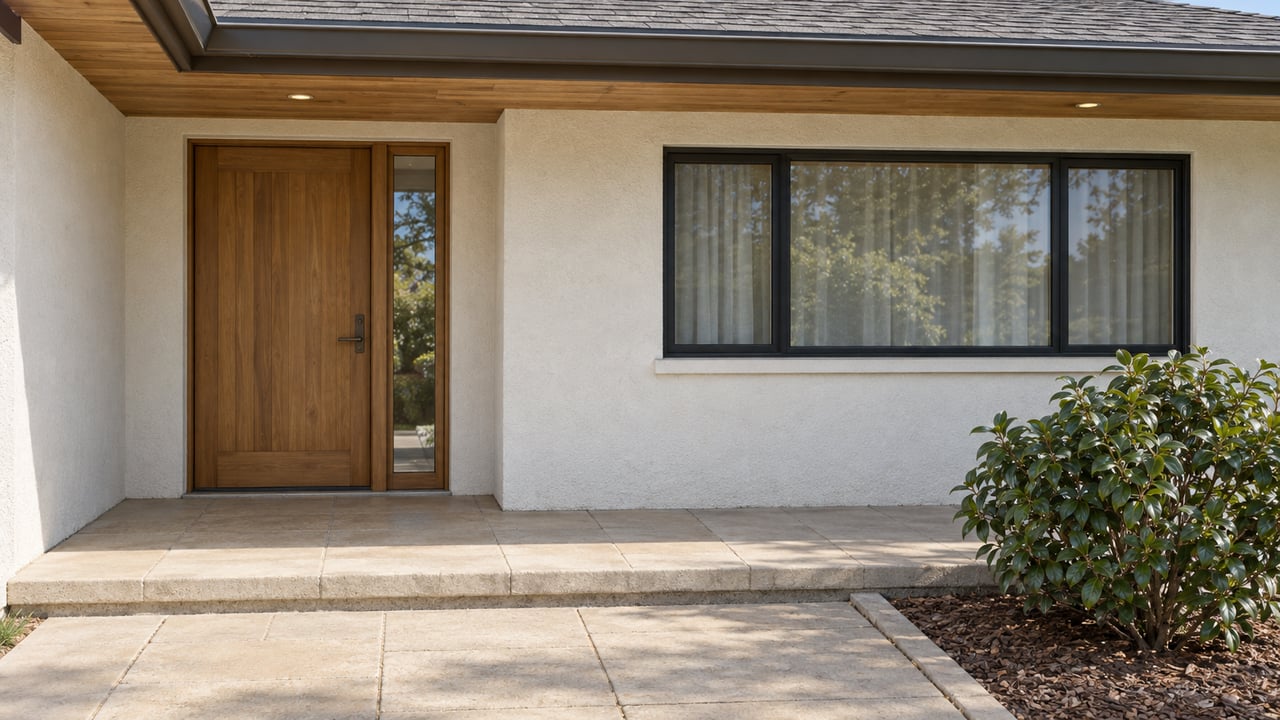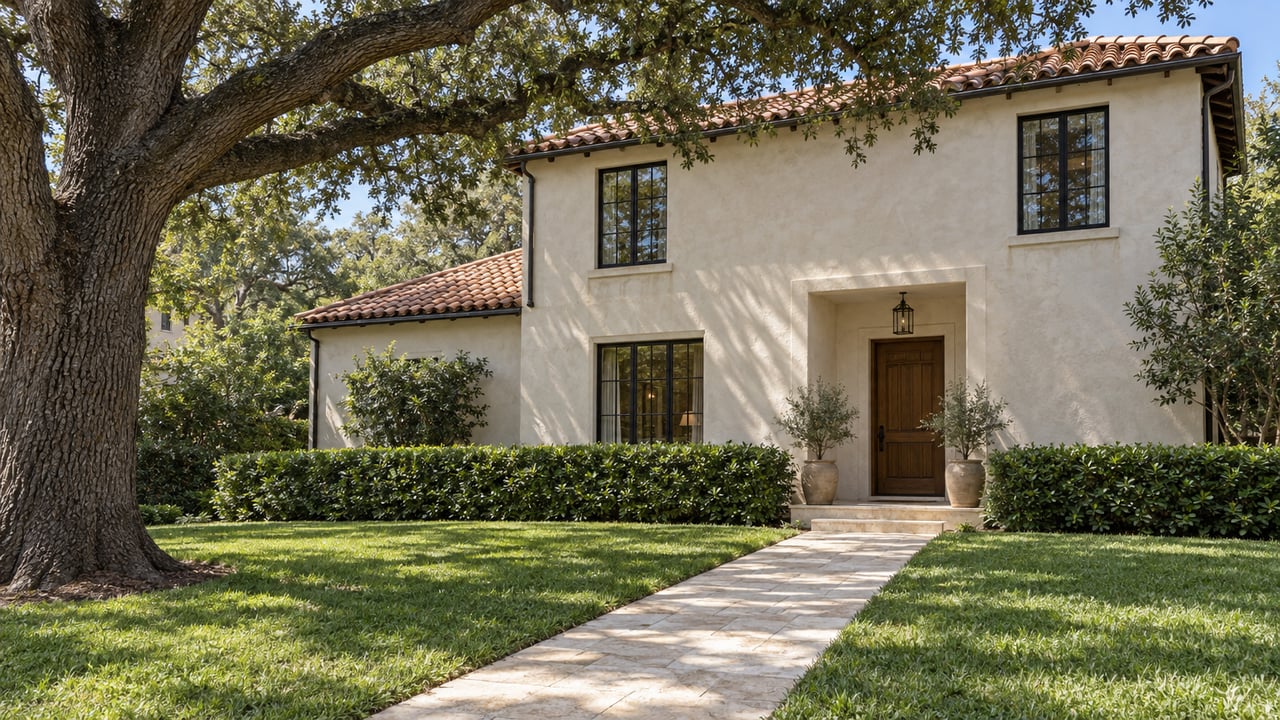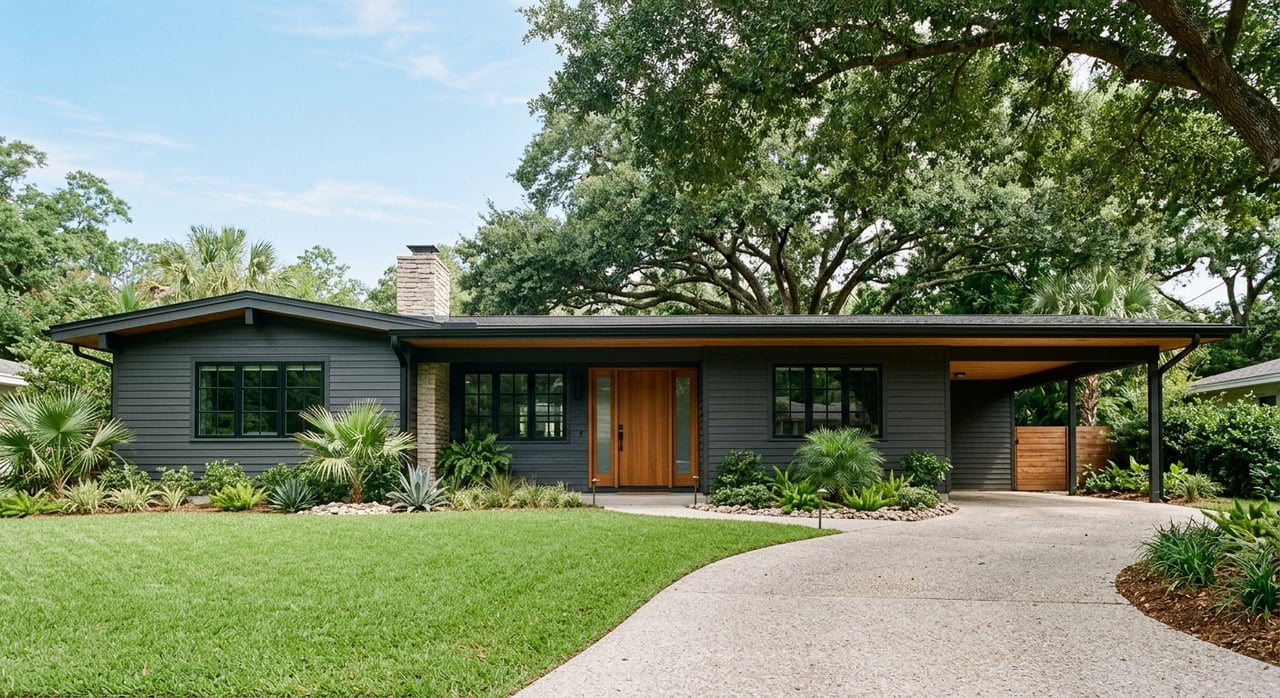
Wondering why one Winter Park home sells quickly at a premium while another just a few blocks away lands in a very different price range? In this market, home value is rarely about one flashy feature or a simple price-per-square-foot rule. If you want to understand what really moves value in Winter Park, it helps to look at location, lot potential, architectural character, and the quality of updates together. Let’s dive in.
Location Shapes Value First
In Winter Park, location does more than set the map pin. It helps define the lifestyle, setting, and long-term appeal of a property, which can all influence how buyers respond.
Park Avenue remains one of the city’s best-known destinations for shopping, dining, and walkable activity. The city’s planning policies also work to preserve the corridor’s character and pedestrian scale, which helps explain why homes and properties near this area can feel distinct from others in the broader market.
Central Park adds another layer to that value story. It is an 11-acre park in the heart of downtown Winter Park and hosts major civic events, giving nearby homes access to one of the city’s most recognizable public spaces.
The downtown and Rollins area also benefits from a strong cultural presence. With institutions like the Morse Museum, Rollins College, and the expanding downtown presence of the Rollins Museum of Art, this part of Winter Park has a concentration of amenities that supports demand.
At the same time, values can shift quickly from block to block. Winter Park’s planning framework is designed in part to preserve residential use in certain areas, especially within the Downtown and Rollins planning area, so two nearby homes may sit in very different contexts even when they appear close on a map.
Why block-by-block differences matter
A home’s value often reflects how well it fits its immediate surroundings. In Winter Park, that can mean proximity to Park Avenue, views or access related to lakes, or being on a street where the scale and character feel especially consistent.
This is one reason broad market averages only tell part of the story. Appraisers compare a property with nearby similar sales and also consider amenities, exterior condition, upgrades, foundation, and car storage, which makes local context especially important.
Lot Size And Site Utility Matter More Than You Think
A large lot is helpful, but in Winter Park, the real question is what the lot allows you to do. Width, shape, setbacks, coverage limits, and review requirements can all affect future flexibility.
The city’s planning rules place meaningful limits on lot changes in order to preserve neighborhood scale. In some areas, estate lots of one acre or more cannot be split unless the resulting lots are still at least one acre, and other neighborhoods have minimum lot width standards such as 75 feet, or 85 feet on corner lots.
Those rules can influence value because buildable flexibility matters to both current owners and future buyers. A well-configured lot may offer better options for additions, outdoor living, garage expansion, or a pool, while a tighter lot may limit those possibilities.
Lakefront and canal-front lots have special rules
Lakefront and canal-front properties often attract strong interest, but they also come with added site considerations. Winter Park requires a minimum 50-foot lakefront setback and site plan review for lakefront and canal-front construction.
The city also limits lakefront development outside floodplain and lake setback areas to the lowest-density residential uses, with related lot coverage and impervious coverage standards. For buyers and sellers, that means the value of a waterfront lot is tied not just to the setting, but also to what can realistically be improved or expanded.
Utility can outperform raw size
Two lots with similar square footage may not offer the same usability. Site constraints tied to setbacks, impervious coverage, floor area ratio, and enclosure limits can make one property more adaptable than another.
That matters when buyers picture everyday living. Space for parking, storage, entertaining, landscaping, and future renovations can shape demand just as much as the lot’s total dimensions.
Character And Architecture Carry Real Weight
Winter Park is not a place where every home is judged only by size and finish level. Character matters here, especially in areas where architectural style and period identity contribute to the appeal of the block.
The city has recorded more than 700 historic structures, including estates, bungalow neighborhoods, grove houses, winter cottages, and Park Avenue buildings from before 1950. That depth of built character helps make Winter Park feel visually layered, and buyers often respond to that sense of place.
Winter Park’s historic preservation program is designed to protect architectural character through review and incentives for designated properties and districts. The city also notes that historic designation is not considered when setting property valuations and does not change zoning.
Original details still matter
Even so, market appeal often rises when a home keeps the features that make it feel authentic to its era. Original character, compatible additions, and updates that respect the home’s style can be just as important as adding more square footage.
That is especially true in a market like Winter Park, where surrounding homes may share a similar age, rhythm, or visual identity. A renovation that feels in sync with the property and the block often lands better than one that ignores the home’s bones.
Condition And Updates Influence Buyer Response
No matter how strong the location is, condition still plays a major role in value. Buyers compare homes quickly, and appraisers look closely at interior and exterior quality, upgrades, appliances, and how competitive the home feels against nearby sales.
If kitchens or bathrooms appear dated enough to need major remodeling, that can affect pricing power. In contrast, homes that feel clean, maintained, and move-in ready often create stronger first impressions and a wider buyer pool.
National remodeling survey data also gives useful context. In the 2025 Remodeling Impact Report, REALTORS most often recommended painting the entire home, painting one room, and new roofing before a sale, while demand over the past two years centered on kitchen upgrades, new roofing, and bathroom renovation.
Smart updates often beat over-improving
That does not mean every project will raise value equally. The better approach is to focus on updates that improve how the home shows, reduce obvious buyer objections, and match the expectations of the likely price range.
In Winter Park, that may mean refreshing worn finishes, improving curb appeal, updating key living spaces, or making sure older homes feel well cared for rather than tired. Thoughtful preparation usually performs better than expensive changes that do not fit the house or neighborhood.
Outdoor Living Can Add Meaningful Appeal
Outdoor presentation matters in almost every Florida market, and Winter Park is no exception. A home’s exterior, yard, and usable outdoor space can strongly shape first impressions and perceived value.
According to NAR’s outdoor-features report, 92% of REALTORS recommend improving curb appeal before listing. The same report found strong reported cost recovery for standard lawn care, landscape maintenance, an outdoor kitchen, an overall landscape upgrade, and a new patio.
In Winter Park, outdoor appeal connects well with the city’s identity. Its lakes are described by the city as a defining feature of the community, and the downtown park-and-arts setting reinforces the value of attractive, functional outdoor spaces.
Buyers notice usability, not just beauty
A beautiful yard is helpful, but buyers also look for function. They tend to notice shaded seating areas, room for entertaining, practical circulation, privacy, and whether the outdoor space feels easy to maintain.
That is why simple improvements can go a long way. Clean landscaping, a tidy lawn, updated hardscaping, and a patio or lanai that feels ready to use can improve how buyers experience the whole property.
Comparable Sales Still Set The Range
Even with all of these value drivers, a home does not exist in a vacuum. Appraisers rely on comparable nearby sales and then adjust for differences in condition, upgrades, amenities, exterior quality, foundation, and car storage.
That is why two homes with similar square footage can still land at different values. If one has a better lot, stronger outdoor living, more compatible updates, or a more compelling location within Winter Park, that difference often shows up in both buyer demand and final pricing.
For sellers, this is where strategy matters. Pricing, preparation, and presentation work best when they are tied to what buyers are actually rewarding in your part of Winter Park.
What This Means If You’re Selling
If you are thinking about selling, your first question should not be, “What is the average price per square foot?” A better question is, “How does my home compare with the homes buyers will see as alternatives?”
A smart pre-listing plan often starts with these steps:
- Review your home’s block-level location advantages
- Evaluate lot utility and site constraints
- Identify updates that improve competitiveness
- Highlight architectural features with real market appeal
- Improve curb appeal and outdoor usability
- Compare your home against recent nearby similar sales
This kind of preparation can help you avoid spending in the wrong places. It can also help you focus on the changes most likely to strengthen your sale price and marketability.
What This Means If You’re Buying
If you are buying in Winter Park, it helps to look beyond finishes alone. A polished kitchen is nice, but the long-term value picture may depend just as much on location, lot flexibility, outdoor potential, and how well the home fits its setting.
You may want to ask:
- How close is the home to key Winter Park amenities?
- Does the lot allow room for future changes?
- Are there lakefront, canal-front, or setback rules that matter?
- Do the updates fit the architecture of the home?
- How does the home compare with recent nearby sales?
These questions can help you make a more confident decision, especially in a market where details from one block to the next can have a real impact.
If you want a clear, local read on what is driving value for your specific property or the home you are considering, Brenda Feliciani can help you sort through the details and make a smart next move.
FAQs
What drives home values in Winter Park most?
- Winter Park home values are usually shaped by a mix of location, lot utility, architectural character, condition, updates, outdoor appeal, and comparable nearby sales rather than one single feature.
How does location affect Winter Park home values?
- Location affects value through access to places like Park Avenue and Central Park, proximity to cultural amenities, and the specific block context created by Winter Park’s planning and land use patterns.
Do lot size and setbacks affect Winter Park property value?
- Yes. Lot width, shape, setbacks, lakefront rules, and coverage limits can affect what you can build or expand, which can influence buyer demand and overall value.
Do historic homes in Winter Park hold value differently?
- They can. While historic designation is not used to set property valuations, original character, compatible additions, and period-appropriate updates often matter to buyers in areas where architectural identity is part of the appeal.
Which home improvements matter most before selling in Winter Park?
- Based on the research provided, painting, roofing, kitchen updates, bathroom updates, curb appeal improvements, landscape maintenance, and usable outdoor living features are among the improvements most often tied to stronger buyer response.
Why can two similar homes in Winter Park sell for different prices?
- Two similar homes can sell for different prices because appraisers and buyers look beyond square footage to differences in location, condition, lot flexibility, upgrades, outdoor space, and nearby comparable sales.