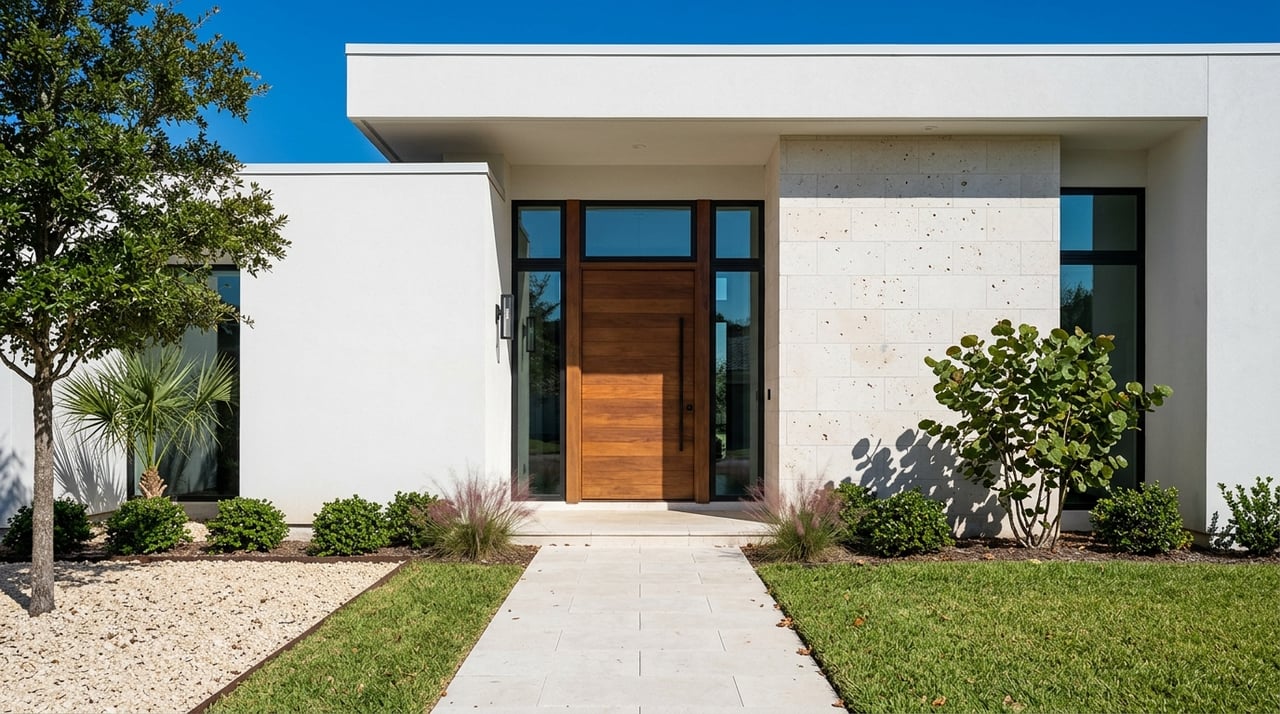
Dreaming about a place where your weekends slow down the moment you arrive? Owning a second home on 30A West often feels less like managing a getaway and more like stepping into a familiar rhythm you can return to again and again. If you are weighing the lifestyle, the upkeep, and the day-to-day reality, this guide will help you picture what ownership really looks like and what makes it work so well here. Let’s dive in.
30A West has a distinct feel
30A West sits within South Walton, a 26-mile Gulf destination made up of 16 beach neighborhoods, with Scenic Highway 30A running 19 miles through dune lakes, state lands, and coastal communities. On the west side, you will find places like Dune Allen, Blue Mountain Beach, Grayton Beach, and Santa Rosa Beach, each with its own personality but a shared coastal ease. That setting shapes the second-home experience from day one.
One of the biggest draws is the low-rise character of the area. Beachfront construction heights are limited, so the atmosphere stays more residential and less tower-driven. For many second-home owners, that means a calmer backdrop, easier repeat visits, and a stronger sense of place.
Neighborhood life feels easy to return to
Dune Allen offers a quieter beach base
Dune Allen is described by local tourism sources as a beach hideaway treasured by nature lovers. If you want a second home that feels tucked away without losing access to the coast, this part of 30A West can feel especially appealing. It supports the kind of ownership experience that is less about constant activity and more about being able to settle in quickly.
Blue Mountain Beach supports an active routine
Blue Mountain Beach is known for its laid-back feel and trail-friendly setting. That makes it a natural fit if your ideal second-home day includes biking, walking, and casual time outdoors. Instead of planning around big attractions, you can simply step into a routine that already feels built in.
Grayton Beach blends character and nature
Grayton Beach is one of the original neighborhoods along the corridor and is known for a funky, eclectic feel. Nearby access to state park land and coastal dune lake scenery adds to its appeal for owners who want variety without losing the relaxed pace. It is the kind of place that can feel memorable without feeling overproduced.
Santa Rosa Beach adds convenience
Santa Rosa Beach is the oldest and largest neighborhood in the area, with trails, shopping, dining, and galleries. For second-home owners, that can mean an easier mix of practical convenience and leisure. You get a broader everyday support system while still staying connected to the 30A West lifestyle.
Daily life is usually simple and repeatable
A second home on 30A West often works best as a low-stress base. The area supports a lifestyle built around beaches, trails, parks, and easy evenings rather than packed schedules. That repeatable rhythm is part of what makes second-home ownership here so attractive.
The Timpoochee Trail runs 19 miles from Dune Allen to Inlet Beach, giving you a paved multi-use path for biking and walking along the corridor. South Walton also has more than 50 beach and bay access points, which makes it easier to shape your day around short, familiar outings instead of complicated plans. For many owners, that convenience becomes one of the biggest long-term perks.
A typical visit may be very simple:
- Morning walk on the beach or bike ride
- Midday time at the beach, a park, or a dune lake area
- Casual dinner or live music nearby
- Quiet evening on a porch, patio, or balcony
That routine sounds small, but that is part of the appeal. Your second home does not have to entertain you with a nonstop checklist. It just needs to make it easy to enjoy your time when you get there.
Parks and trails add value to ownership
Topsail Hill Preserve expands your options
Topsail Hill Preserve State Park offers 3 miles of pristine beaches and more than 10 miles of trails. If you like mixing beach time with hiking or simply having room to spread out, this kind of nearby access can make ownership feel richer. It gives you more ways to use the home beyond a standard beach day.
Grayton Beach State Park keeps nature close
Grayton Beach State Park is known for its coastal dune lakes and classic Gulf shoreline. For second-home owners, that means your routine can include paddling, walking, and exploring protected natural spaces close to home. This is a big part of why 30A West tends to feel more nature-forward than purely resort-focused.
The seasons shape how you use the home
Owning a second home here also means learning the yearly rhythm. Weather changes how often you visit, how you prepare the property, and what kind of experience you can expect during each season. The good news is that 30A West offers usable, enjoyable stretches well beyond summer.
Winter is mild and practical
January averages about 63.1°F for highs and 45.3°F for lows based on nearby NOAA normals. That makes winter reasonable for long weekends and extended stays, especially if you want a quieter stretch of the year. Many second-home owners appreciate that the property can stay useful even outside peak vacation months.
Spring brings activity and warmer days
By April, average temperatures rise to about 76.2°F for highs and 60.1°F for lows. Spring is also treated as a major activity season in South Walton, with art, wine, trail, and music programming. If you like owning a place that feels lively without the intensity of peak summer, spring can be a sweet spot.
Summer is busiest and wettest
June, July, and August bring the hottest weather, with average highs near 88.9°F, 90.9°F, and 90.6°F. Rainfall also peaks in July and August at about 5.77 and 6.08 inches. Summer is considered the high season, so owners should expect the fullest beaches, the warmest conditions, and a greater need to think ahead about weather and property prep.
Fall often feels like a return season
October still averages about 80.9°F for highs and 63.2°F for lows, which keeps the area comfortable well into fall. By November, conditions cool more noticeably. For many owners, fall becomes an ideal shoulder season to return, settle in, and enjoy a slightly slower pace.
Coastal ownership means planning for humidity
A second home near the Gulf comes with a very specific maintenance reality. Florida’s warm, humid environment can make unattended homes more vulnerable to mildew, pests, rust, and corrosion. That does not mean ownership has to be difficult, but it does mean your setup matters.
UF/IFAS guidance for seasonal homes offers a strong framework. Before leaving, it recommends cleaning the house thoroughly, removing or sealing food, vacuuming upholstered furniture and mattresses, keeping linens clean and dry, leaving interior doors open for air circulation, unplugging unused electronics, and considering leaving the air conditioning no higher than 85°F if the home will be closed up.
For many owners, the smartest approach is to make the home easy to close and easy to reopen. That usually means fewer delicate finishes, simpler furnishings, and systems that support fast arrivals and departures. The less friction you create, the more often you are likely to use the property.
Departure routines matter more than you think
One of the most practical parts of second-home ownership on 30A West is having a repeatable checklist. This is especially helpful if you live in Central Florida or another drive market and plan to use the home often throughout the year. A good routine cuts down on stress and helps protect the property between visits.
A solid departure plan may include:
- Cleaning and removing perishable food
- Setting the thermostat appropriately
- Leaving interior doors open for air circulation
- Unplugging unused electronics
- Securing or storing outdoor furniture
- Confirming lawn, pool, or exterior care if needed
- Stopping or managing mail and deliveries
UF/IFAS also recommends checking the roof, gutters, flashing, windows, doors, and foundation drainage, along with trimming shrubs and mowing regularly. If the home is in a condo or managed community, it is worth confirming exactly which exterior tasks are handled and which remain your responsibility.
Outdoor choices should fit the coast
Salt air and humidity can be tough on materials. Coastal guidance from UF/IFAS notes that plants close to saltwater should be at least somewhat salt tolerant, and trees within eight miles of the coast should tolerate aerosol salt spray. That matters if you are thinking about landscaping, exterior updates, or long-term ease of care.
Inside and outside the home, practical materials tend to make ownership smoother. Rust-resistant hardware, covered outdoor pieces, and easy-clean finishes are often better suited to the coastal environment than materials that require constant attention. If you are buying with lifestyle in mind, durability should be part of the conversation.
Storm season should be part of the plan
Hurricane season runs from June 1 through November 30. On a coastal second home, that means you need a clear plan for what happens before each departure and what happens if a storm develops while you are away. Preparedness is part of owning well here.
Basic storm prep includes bringing in outdoor furniture and other loose items or anchoring them before a storm. It also helps to have a consistent system for shutters, supplies, communication, and property checks. When your process is clear, the home feels more manageable year-round.
Why 30A West works for second-home buyers
For many buyers, the appeal of 30A West comes down to balance. You get a low-rise coastal setting, strong access to trails and parks, a broad beach network, and neighborhoods that support repeat visits without feeling hectic. It is a lifestyle that rewards simplicity.
That is why the best second homes here are often the ones set up for easy use. When the home is comfortable, practical, and ready for quick stays, you can spend less time managing details and more time enjoying why you bought here in the first place.
If you are exploring a second home on 30A West, working with an agent who understands both lifestyle fit and property readiness can make the process much smoother. Brenda Feliciani can help you evaluate neighborhoods, compare ownership options, and think through the practical details that shape long-term enjoyment. Connect with Brenda Feliciani when you are ready to take the next step.
FAQs
What is daily life like with a second home on 30A West?
- Daily life often centers on simple routines like beach walks, bike rides on the Timpoochee Trail, time in nearby parks, casual dining, and relaxed evenings at home.
What makes 30A West different from other beach areas?
- 30A West has a more residential, low-rise character, with access to nature, dune lakes, trails, and beach neighborhoods like Dune Allen, Blue Mountain Beach, Grayton Beach, and Santa Rosa Beach.
What weather should second-home owners expect on 30A West?
- Owners can expect mild winters, active springs, hot and wetter summers, and warm fall conditions that often make shoulder-season visits especially enjoyable.
What maintenance matters most for a second home on 30A West?
- Moisture control, food removal, air circulation, exterior checks, and securing outdoor items are all important because Florida’s humid coastal environment can increase the risk of mildew, pests, rust, and corrosion.
What should second-home buyers know about storm season on 30A West?
- Hurricane season runs from June 1 to November 30, so owners should have a repeatable plan for outdoor furniture, shutters, supplies, and communication before leaving the property unattended.
Are parks and trails a big part of owning on 30A West?
- Yes. Nearby assets like the Timpoochee Trail, Topsail Hill Preserve State Park, Grayton Beach State Park, and South Walton’s many beach and bay access points are a major part of the ownership lifestyle.