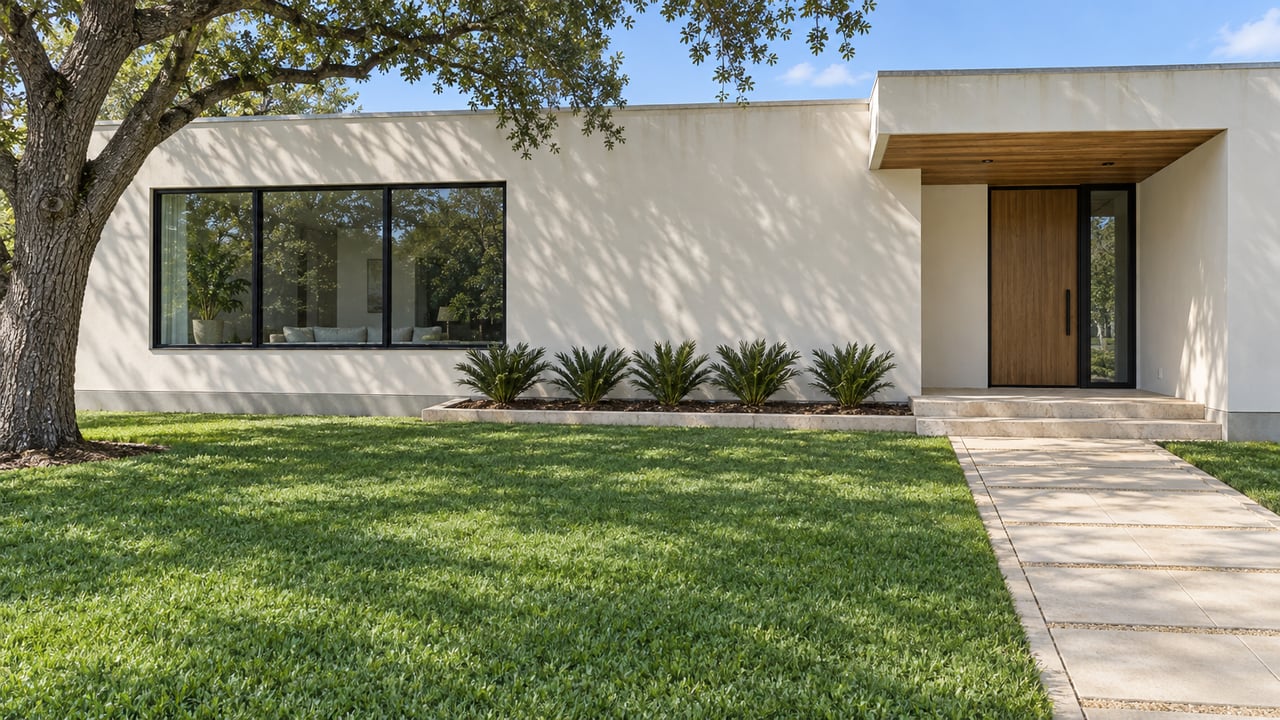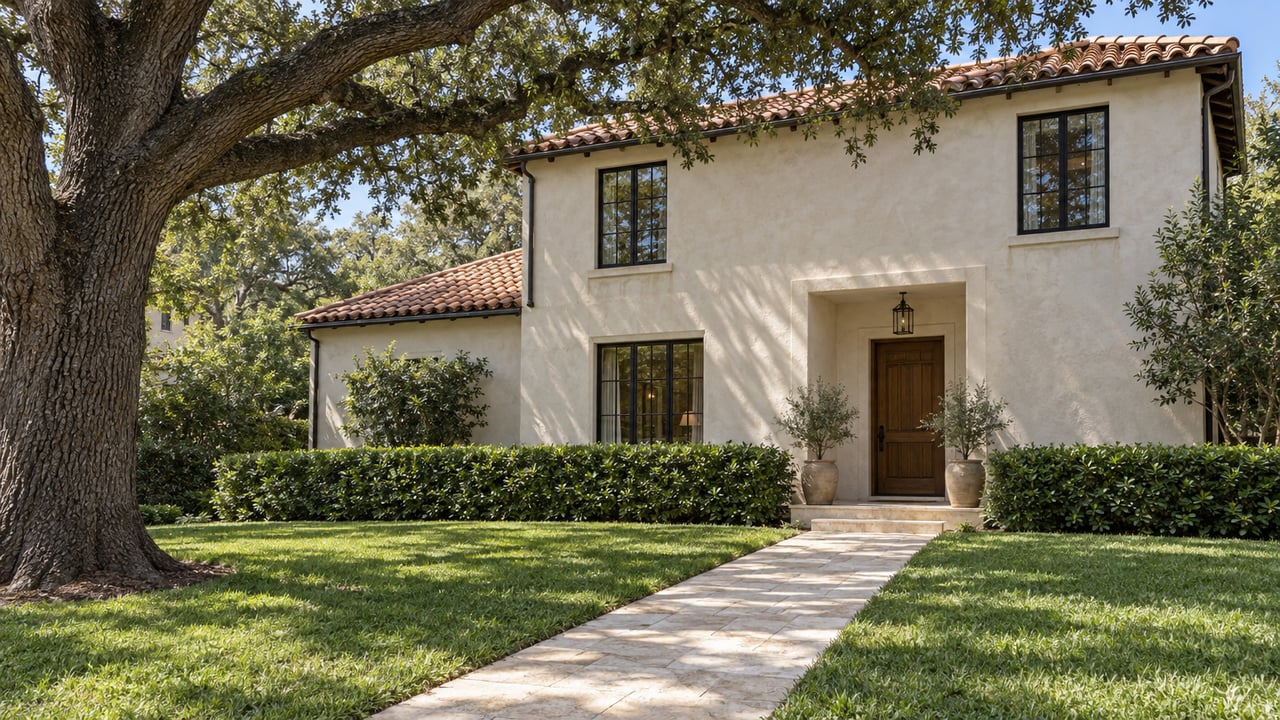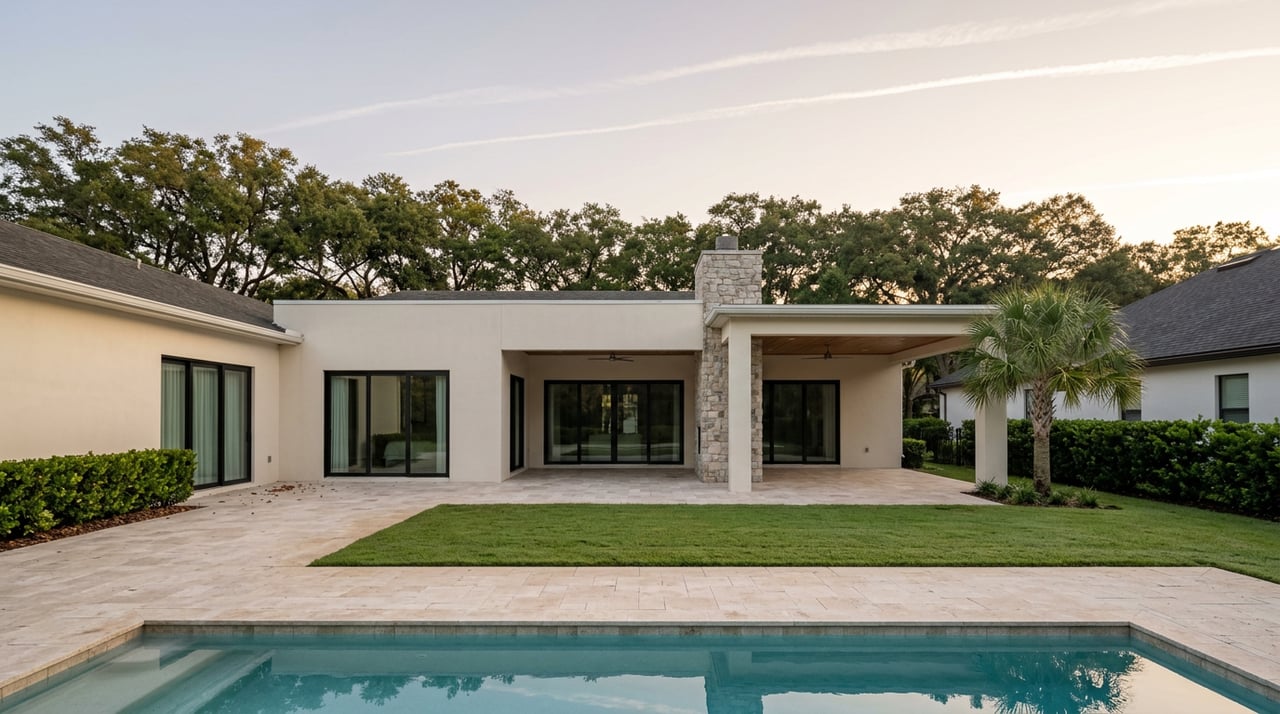
Picture two three-bedroom cottages a quarter mile apart on 30A. Same square footage, same builder finish level, same list price down to the thousand. One books out at $700 a night through peak season and clears six figures a year. The other sits empty most of the summer because Walton County's advertising requirements mean its owner can't legally advertise it as a short-term rental at all.
Nothing about either house explains the gap. The difference lives in a filing cabinet, not a floor plan.
Buyers who compare 30A communities by price per square foot or beach distance are reading the wrong number. The variable that actually determines whether a property performs as an investment is rental-permit eligibility, and that eligibility is decided by a layered system that starts with Walton County and ends, often more restrictively, with a homeowners association most buyers never read closely before closing.
The County Certificate Feels Like the Finish Line. It Isn't.
Every short-term rental on 30A needs to meet the applicable registration requirements before it can legally take a booking. Walton County's registration fee schedule lists a $300 annual registration fee and a $500-per-day charge for operating without registration.
Walton County isn't treating that fine as theoretical anymore. The county's Short-Term Vacation Rental Ordinance was adopted in 2023. That posture has precedent: a compliance hearing at Freeport Commons in May 2025 gave six of nine cited property owners just two business days to complete their certification or start accumulating fines, according to reporting from Mid Bay News. The county has also built software that flags unregistered listings automatically, and HOAs themselves report violations when they spot them.
That last detail is the tell. HOAs aren't bystanders in this system. They're often the ones enforcing it, because in many 30A communities, the HOA's own rules are stricter than the county's.
The Real Gate Is the One the County Can't Open
A Walton County Vacation Rental Certificate authorizes a property to operate as a short-term rental under county law. Under Florida Statutes § 720.306, a homeowners association may prohibit or regulate rental agreements; a Walton County Vacation Rental Certificate does not override an HOA that prohibits rentals outright, caps the number of rental weeks per year, imposes a minimum stay of seven nights or longer, or requires owner-by-owner approval for every booking. Buyers who assume county approval is the only approval they need are the ones who discover, after closing, that their investment plan doesn't work in this particular community.
This is where 30A's community-by-community identity stops being a lifestyle question and becomes a financial one. Alys Beach and Rosemary Beach are structured as Traditional Neighborhood Developments, a zoning category that layers architectural review and land-use controls on top of standard residential zoning. That structure is part of what gives both communities their appreciation strength, but it also means rental use runs through more review than a standard subdivision. A buyer who wants rental income needs to confirm with the county planning department whether a new certificate is even obtainable before writing an offer, not after.
Rental limits may not show up in a listing description. They show up in the HOA's covenants, conditions, and restrictions, which is exactly why the due diligence period matters more on 30A than it does in most inland markets.
What the Tax Data Actually Shows
Walton County splits into two tourist development tax districts, divided by the Choctawhatchee Bay. According to the Walton County Clerk of Courts & Comptroller, South Walton, which includes the entire 30A corridor, charges a 5 percent tourist development tax, while North Walton charges 3 percent. That's a policy detail. What it produces is a market fact.
| District | Tourist Development Tax | Active Rental Units (May 2026) |
|---|---|---|
| South Walton (30A corridor) | 5% | 19,373 |
| North Walton | 3% | 863 |
That's a 22-to-1 ratio in rental density between two districts of the same county, and it isn't explained by beach access alone since parts of North Walton sit on the water too. It's explained by zoning and permit posture. South Walton's residential zones are built around the assumption that short-term rental is a normal use. North Walton's are not. The tax rate is lower in the north, but the market never grew to take advantage of it, because the permit environment never made rental ownership the default plan the way it did south of the bay.
That's the pattern worth sitting with. A lower tax burden did not produce a bigger rental market. Permit friction did the opposite of what a simple tax comparison would predict.
Reading the Price Data Through the Permit Lens
Rosemary Beach carried a median list price near $3.2 to $3.4 million through the first half of 2026, with days on market falling from 142 a year earlier to 83 in April, based on market data reported by Movoto. That's a meaningfully faster sale cycle in a market this expensive, and it lines up with what local brokerages have been saying all year: Alys Beach and Rosemary Beach have held their pricing more firmly than the broader 30A corridor, even during stretches when other communities saw sold prices soften.
WaterColor and Seagrove Beach get described differently in market commentary, more often as the communities that dominate short-term rental performance rather than appreciation. That's not a contradiction. It's the permit structure showing up in two different outcomes. Rosemary Beach and Alys Beach compete on scarcity, architectural control, and brand identity, which supports price even when rental yield isn't the primary draw for every buyer. WaterColor and Seagrove compete on rental-friendly zoning and larger unit counts, which supports yield even when appreciation runs a step behind the most exclusive pockets of the corridor.
A buyer comparing these communities on price alone is comparing two different products that happen to sit on the same eleven miles of highway.
A house on 30A is never just a house. It's a house plus whatever that specific parcel is legally allowed to become.
The Calendar Detail That Catches First-Year Owners
According to SoWal's permit guide, Walton County also moved most properties onto a unified renewal calendar earlier in 2026. Most certificates now run on a June 1 renewal deadline, with applications opening April 1. One notable exception: properties in the 32459 zip code, which covers Santa Rosa Beach, kept their legacy renewal cycle, which expires January 31. A buyer who assumes every 30A property renews on the same schedule can still miss a deadline in their first year of ownership simply because their zip code never moved to the new default.
Before You Write an Offer
- Request the HOA's current CC&Rs and verify the rental terms in writing as part of your due diligence
- Confirm the property's eligibility for a new vacation rental certificate with the county planning department
- Confirm the property's renewal cycle, since it may not match the county's new default schedule
- Separate the community's price trend from its rental-yield reputation. They are not always driven by the same thing
A Few Questions Worth Asking Before You Buy
Does a Walton County Vacation Rental Certificate guarantee I can rent my property? No. It authorizes the use at the county level, so review the HOA's rental rules before relying on a rental plan.
Why does North Walton have so few short-term rentals compared to South Walton? The tax rate is actually lower in North Walton, at 3 percent versus 5 percent in South Walton. The gap comes from zoning and community norms, not tax policy. South Walton's residential zones were built around rental use as a standard purpose. North Walton's largely were not.
How do I know whether a property can obtain a new Vacation Rental Certificate? Confirm eligibility with the Walton County Planning Department before closing, not after.
If you're weighing 30A communities against each other and want someone who reads the HOA documents as carefully as the listing sheet, Brenda Feliciani can walk through the permit history and rental posture of a specific property before you're locked into an offer. And if you already own on 30A and are wondering how these rules have shifted what your property is actually worth, request your free home valuation and get a read on where things stand today.
This article is general information, not legal, tax or financial advice. Consult a qualified professional about your situation.