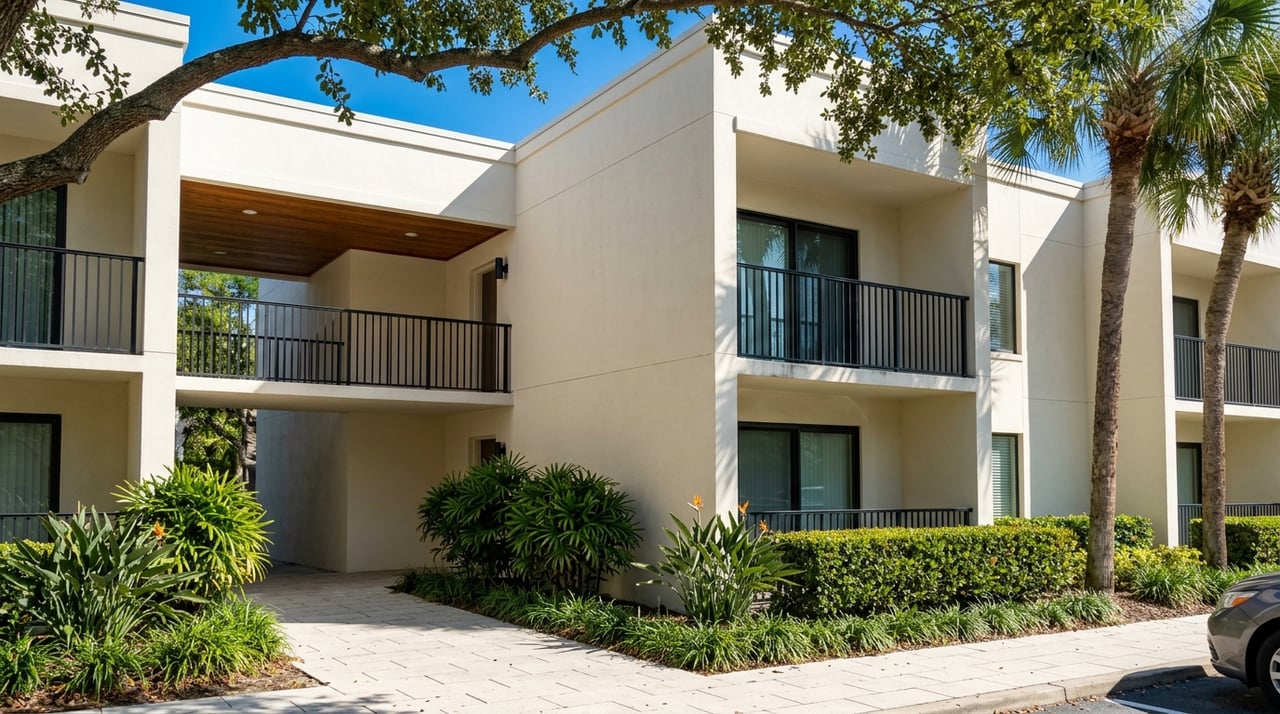
Trying to choose between a condo, townhome, or single-family home in Altamonte Springs? You are not alone. In a city with a substantial mix of detached homes and multifamily housing, the right choice often comes down to how you want to live, what monthly costs you can comfortably carry, and how much maintenance you want to handle yourself. This guide will help you compare the three options clearly so you can shop with more confidence. Let’s dive in.
Why This Choice Matters in Altamonte Springs
Altamonte Springs offers a notably varied housing mix, which is one reason this decision matters so much. The city reports 7,392 single-family parcels and 17,110 multifamily units, along with 137 single-family residential subdivisions and 97 multifamily communities. According to the City of Altamonte Springs demographics and housing information, attached housing is a meaningful part of the local market, not a small niche.
That variety gives you real options, but it also means you need to compare more than square footage or list price. A condo, townhome, and detached home can each fit the same budget on paper while creating very different monthly costs, responsibilities, and lifestyle tradeoffs.
Condos: Lowest Maintenance, Most Rules
If you want simpler day-to-day upkeep, a condo often stands out first. In Florida, condos are the most association-driven option, with the association responsible for maintaining, repairing, and replacing common elements and certain shared property under Chapter 718 of Florida Statutes. That can make condo living appealing if you want a more lock-and-leave setup.
The tradeoff is that condo ownership is more tied to association governance. Owners must pay common expenses, comply with the declaration, bylaws, and rules, and allow access when maintenance or repairs require it. Florida law also allows certain use rights to be suspended in some delinquency or rule-violation situations, which shows how communal condo living can be.
For many buyers, the biggest condo questions are not about the floor plan. They are about the monthly fee, what that fee covers, and whether the association is financially prepared for future repairs.
Condo Questions to Ask
When you tour a condo in Altamonte Springs, ask:
- What does the monthly condo fee cover?
- Are water, trash, pest control, landscaping, roof care, or exterior maintenance included?
- Are there any pending special assessments?
- Has the association completed required inspections or reserve studies, if applicable?
- What are the pet, parking, rental, and renovation rules?
Townhomes: A Middle Ground
Townhomes often appeal to buyers who want something between a condo and a detached house. You may get a more house-like feel, a little more privacy, and still have some exterior or community maintenance handled through an HOA.
The key point, though, is that not all townhomes work the same way. In Florida, the real answer depends on the recorded documents. Buyers should verify what the declaration, bylaws, and rules say about roofs, exterior walls, landscaping, parking, and amenities rather than assuming every townhome community splits responsibilities the same way. Under Florida Statute 720.303, HOA records such as governing documents, budgets, and insurance policies must generally be made available for inspection within 10 business days.
That means a townhome can be a great balance, but only if you understand the legal and financial setup before you commit. One community may cover major exterior items, while another may place far more responsibility on you as the owner.
What Makes Townhomes Different
A townhome may be a strong fit if you want:
- More privacy than a typical condo
- Less exterior work than many detached homes
- Shared amenities in some communities
- A more predictable maintenance routine, depending on the HOA documents
Still, the documents matter just as much as the floor plan. Before you move forward, review the budget, insurance details, rules, and any signs of future assessments.
Single-Family Homes: More Freedom, More Responsibility
If privacy and flexibility are your top priorities, a single-family home often checks the most boxes. Detached homes usually offer the clearest ownership of the structure and lot, more room to personalize, and fewer day-to-day shared-living issues.
They also usually require the most hands-on maintenance and long-term budgeting. Roof repairs, landscaping, exterior upkeep, and system replacements are typically more squarely your responsibility. Florida’s condo milestone and structural reserve rules generally do not apply to single-family and certain low-rise dwellings, which is one reason detached homes often feel administratively simpler than many attached communities.
That said, if a single-family home is in an HOA, you should not assume there are no rules. HOA governing documents still matter, and associations must maintain records including declarations, rules, budgets, insurance policies, and contracts under Florida law.
When a Single-Family Home Makes Sense
A detached home may be the right choice if you want:
- The most privacy
- More freedom to modify your property, subject to any HOA rules
- More outdoor space or lot control
- Fewer shared walls and common-area issues
The tradeoff is simple: more control usually means more responsibility.
Compare Total Monthly Cost, Not Just Price
One of the easiest ways to make the wrong choice is to focus only on list price. In Altamonte Springs, you will make a better decision if you compare the total monthly cost of each property type.
That monthly number should include:
- Mortgage payment
- Property taxes
- Insurance
- HOA or condo dues
- A realistic allowance for maintenance, reserves, or possible assessments
This is especially important with Florida condos, where reserve funding and inspection-related repairs can materially affect carrying cost. A lower-priced condo may not feel lower cost once dues and future association expenses are factored in.
Florida Due Diligence Matters
In Altamonte Springs, condo buyers should pay especially close attention to building age, inspections, and reserves. Under Florida Statute 718.112, certain residential condominium associations for buildings that are three habitable stories or higher must complete a structural integrity reserve study at least every 10 years. The reserve schedule must reflect the association’s funding plan for major repairs and replacements.
Milestone inspections are another key issue for some older condo buildings. The Florida DBPR milestone inspection guidance states that residential condominium and cooperative buildings that are three or more habitable stories are subject to milestone inspections at the required age thresholds, while single-family and other low-rise dwellings are exempt.
Current Florida condo sale disclosures may also require the inspector-prepared milestone summary and the association’s most recent reserve study, if applicable, before contract execution under Chapter 718. That makes document review a major part of the buying process.
For HOA-based townhomes and single-family communities, the mindset should be similar. Read the rules, declaration, budget, and meeting minutes, and ask whether special assessments, reserves, or amenity fees may affect your future costs.
Flood Risk Should Be Checked for Every Property
No matter which property type you prefer, flood and stormwater risk should be part of your review. The City of Altamonte Springs flood information page notes that some properties face higher flood risk, that flood insurance is separate from standard homeowners insurance, and that FEMA flood maps are the official flood-hazard reference.
That matters for condos, townhomes, and detached homes alike. Before you buy, confirm whether the property is in a flood zone and ask what insurance your lender may require. This step is easy to overlook during a fast-moving search, but it can affect both your monthly budget and long-term comfort level.
A Simple Way to Decide
If you want a quick framework, sort your options by lifestyle priority.
- Choose a condo if your top goal is low day-to-day maintenance.
- Choose a townhome if you want a balance of privacy and convenience.
- Choose a single-family home if your top priorities are privacy and long-term flexibility.
That framework lines up well with how these property types usually function in Florida. Still, the smartest move is to compare actual homes in the same price range instead of relying on assumptions.
Tour All Three in the Same Budget
One practical strategy is to tour one condo, one townhome, and one detached home in the same budget band in Altamonte Springs. That side-by-side comparison can quickly show you how each option differs in privacy, monthly cost, upkeep, and overall feel.
In a market with both substantial single-family inventory and a large number of multifamily units, this kind of apples-to-apples comparison is especially useful. You may find that the best fit is not the property type you expected when you started.
If you want help narrowing down the right option in Altamonte Springs, Brenda Feliciani can walk you through the tradeoffs, review the practical costs, and help you compare homes with a clear plan.
FAQs
What is the biggest difference between a condo and a townhome in Altamonte Springs?
- The biggest difference is usually how maintenance, ownership, and association rules are structured. Condos are typically more association-driven, while townhomes often vary based on the governing documents.
What should you review before buying a condo in Altamonte Springs?
- You should review the monthly fee, what it covers, any pending special assessments, applicable milestone inspection summaries, reserve studies if required, and the association’s rules on pets, parking, rentals, and modifications.
Why should Altamonte Springs townhome buyers read HOA documents carefully?
- Townhome communities can differ significantly on who handles roofs, exterior walls, landscaping, insurance, and shared spaces, so the recorded documents are the best source for understanding your obligations.
Are single-family homes in Altamonte Springs always free of HOA rules?
- No. Some single-family homes are in HOA communities, so you should still review the declaration, rules, budget, insurance information, and other association records before buying.
How should buyers compare condo, townhome, and single-family costs in Altamonte Springs?
- Compare the full monthly cost, including mortgage, taxes, insurance, dues, and a realistic allowance for maintenance, reserves, or assessments instead of looking only at the purchase price.
Why does flood risk matter for every property type in Altamonte Springs?
- Flood risk can affect insurance requirements and monthly costs for condos, townhomes, and detached homes, so buyers should check FEMA flood-hazard information and local city flood resources for every property they consider.