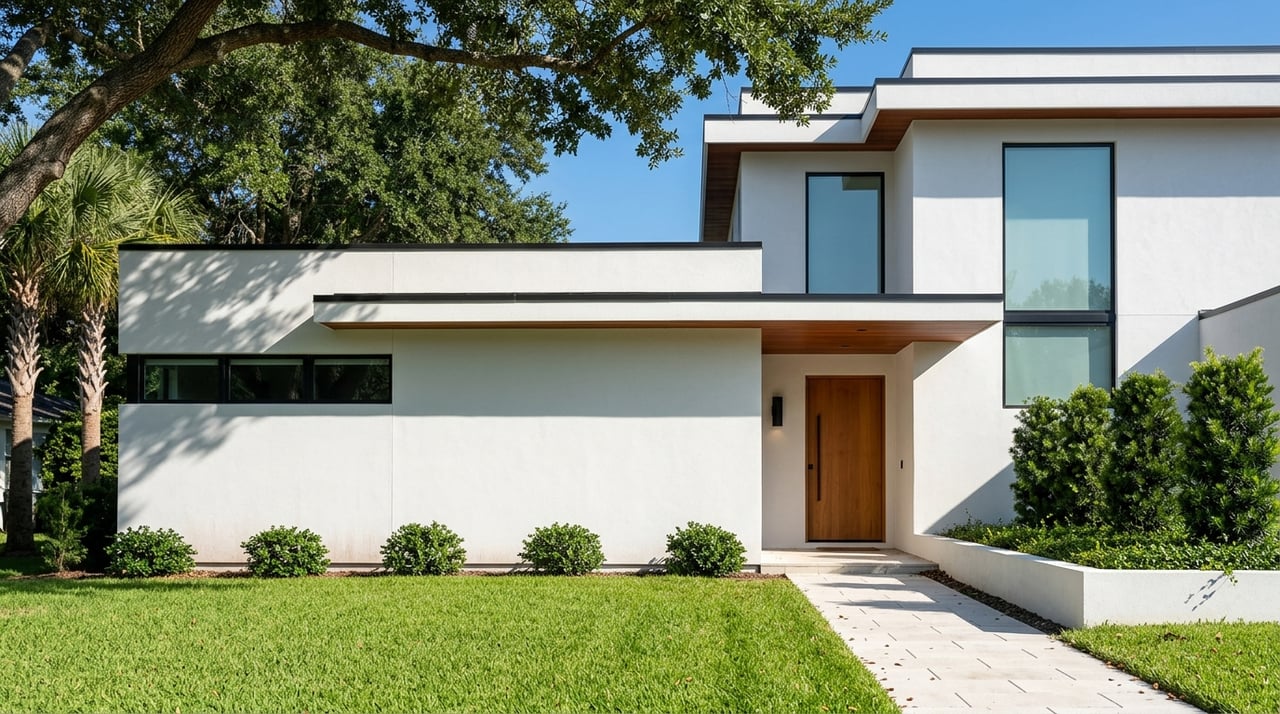
If you are trying to choose between a brand-new home in Horizon West and an older home closer to Winter Garden’s established areas, you are not alone. This is one of the most common questions buyers ask because both options can be a great fit, just for different reasons. The key is knowing how each choice affects your budget, lifestyle, maintenance, and future plans so you can buy with confidence. Let’s dive in.
Where Winter Garden’s options differ
In Winter Garden, the new-build versus established-home decision is often tied to location as much as the house itself. New construction is heavily concentrated in Horizon West, a master-planned area in southwest Orange County with five mixed-use villages and a Town Center.
Orange County says Horizon West was adopted in 1995 and is the fastest-growing community in unincorporated Orange County. Its planning framework is designed to create compact, connected neighborhoods, which helps explain why many newer sections feel cohesive and highly organized.
On the established side, Winter Garden’s older housing options are not limited to the postcard version of downtown. The broader established area includes the historic downtown district, East Winter Garden, and parts of the CRA area, including the East Plant Street corridor toward SR 429.
The city says Winter Garden’s historic development began in the 1850s, with residential neighborhoods appearing by the turn of the century. The historic downtown overlay now covers about 116 acres and roughly 270 properties, with standards for major improvements.
New builds vs established areas
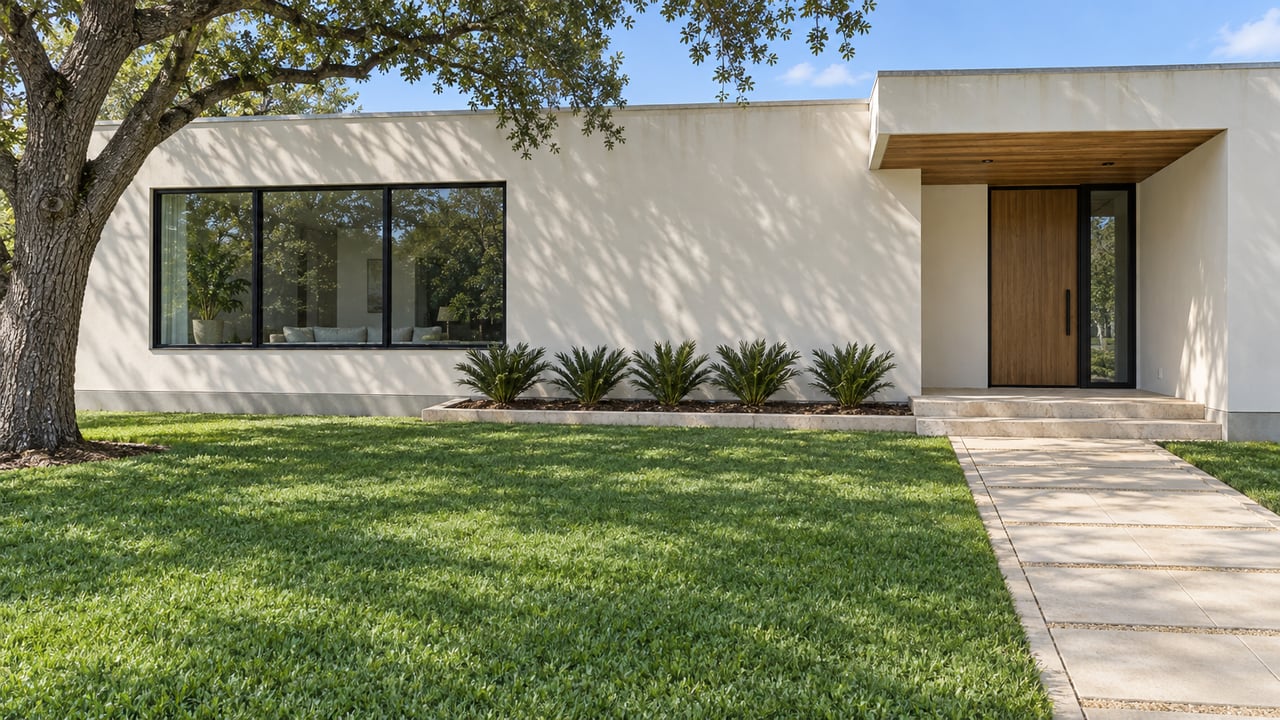
New builds often feel more planned
If you like consistency, newer communities may appeal to you right away. Horizon West’s village code was created to promote compact and connected neighborhoods, so streetscapes, lot layouts, and exterior patterns often feel more uniform from block to block.
That planning shows up in practical ways. Orange County’s design standards include features like porches on many narrower lots and alley-loaded garages on lots 50 feet wide or less, which shapes how the neighborhood looks and functions.
Established areas often vary more
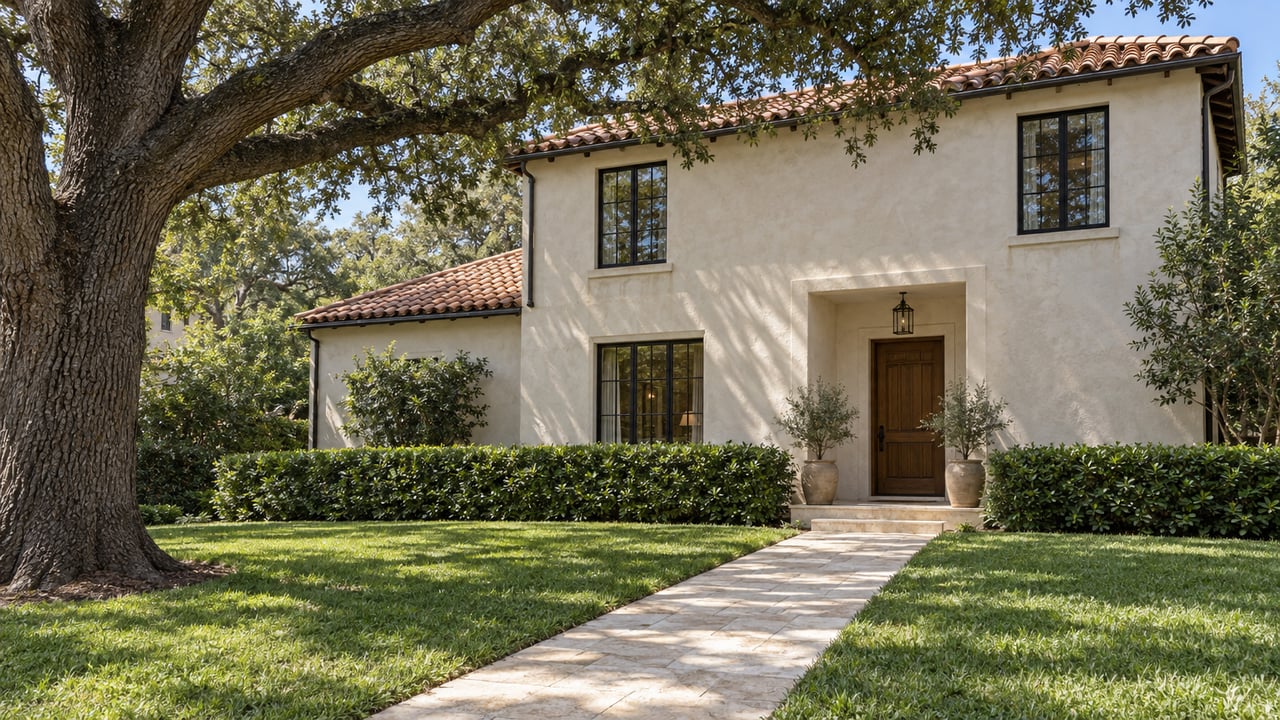
Older parts of Winter Garden usually have more variation because they were built over a much longer period of time. You may see differences in lot size, setbacks, home styles, and block layout even within the same general area.
That can be a big plus if you want a home with a less standardized feel. It can also mean you need to pay closer attention to the specific property, since one street may differ quite a bit from the next.
Compare lot size and layout
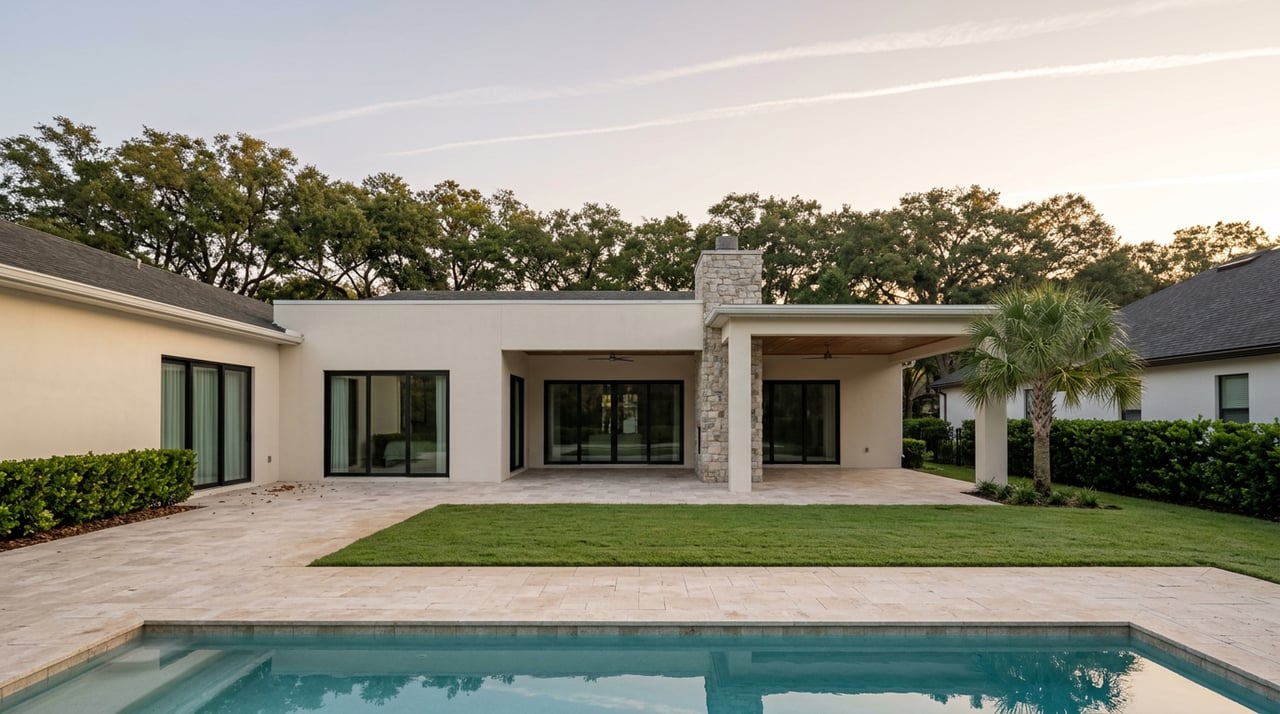
One of the biggest day-to-day differences between new and established areas is how the lot lives. Winter Garden’s zoning uses standards like setbacks, side yards, height limits, minimum lot sizes, and lot coverage limits, but the end result can feel very different depending on when and where the neighborhood was developed.
In newer areas shaped by Horizon West’s code, homes are often designed for space efficiency and consistency. In established neighborhoods, lots and home placement may feel less predictable, with more variation in yard size and spacing.
Neither option is automatically better. If you want a neighborhood with a more structured layout, newer construction may fit better. If you prefer a setting where homes feel less uniform, an established area may be the stronger match.
Understand HOA and CDD costs
Monthly costs may include more than HOA dues
When buyers compare Winter Garden homes, they sometimes focus on the mortgage payment and list price first. That can lead to surprises, especially in newer communities where the monthly carrying cost may include both HOA fees and a separate CDD assessment.
Florida law allows homeowners associations to enforce exterior standards when that authority is included in the governing documents. State law also allows community development districts to finance and maintain infrastructure like roads, water and sewer systems, landscaping, and parks, and to charge fees for district facilities and services after public hearing.
In plain terms, if you are buying in a newer community, ask not just whether there is an HOA, but whether a CDD also applies and what it covers. That question can make a meaningful difference in your monthly budget.
Established homes may shift costs elsewhere
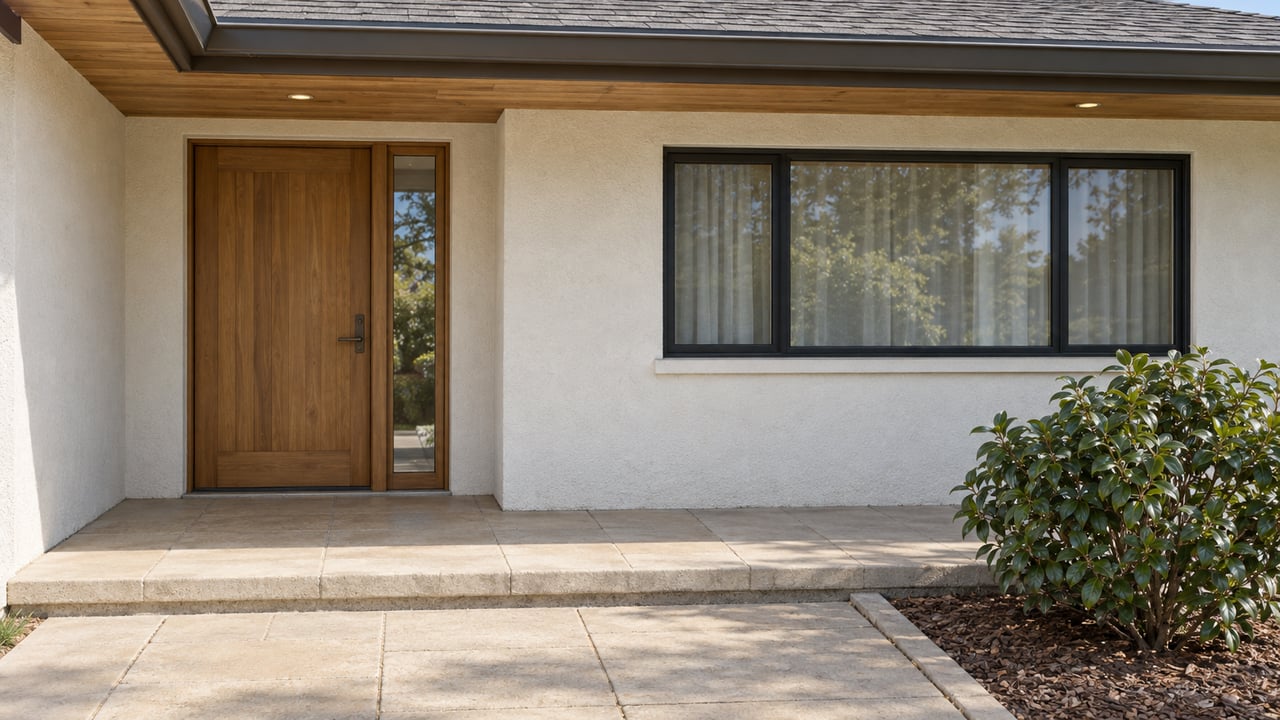
Older neighborhoods may or may not have HOA fees, depending on the property and area. Even if the recurring community fees are lower, an established home may require more budgeting for repairs, updates, or long-term maintenance.
This is why the real comparison is not just new versus old. It is where your money goes, and when.
Think about upgrades and exterior rules
A lot of buyers assume a new build gives them more control because they can choose finishes up front. Sometimes that is true, but customization in newer communities is often shaped by builder options, HOA rules, and community design standards.
Florida HOA law limits architectural control to what is stated in the declaration or published guidelines. It also requires written responses when an exterior improvement request is denied.
Established areas can come with their own review layers. In Winter Garden’s historic downtown overlay, the city created an Architectural Review and Historic Preservation Board that advises on new construction, demolitions, renovations, and upgrades, and the overlay standards apply to major improvements.
So if you are planning to add a fence, update a façade, or make exterior changes later, do not assume an older home means total freedom. In some cases, the review process may be just as important as it is in a newer neighborhood.
Factor in landscaping and maintenance
Newer communities and established neighborhoods often look different from day one, especially outside. Newer sections usually start with younger landscaping and a more uniform streetscape, while older neighborhoods often feel more settled because trees and planting have had more time to mature.
That visual difference can also affect upkeep. Fannie Mae notes that yard size affects landscaping and lawn-care costs, and a home’s age can be a signal for future maintenance needs such as roof or HVAC replacement.
It also notes that HOA fees in planned communities may cover ground maintenance and lawn care in some cases. That is why it helps to compare not just appearance, but responsibility. Ask who handles what, and what you will need to budget for over time.
Use a budget and timeline lens
This is where the decision usually gets clearer. Fannie Mae recommends looking beyond the list price and accounting for closing costs, HOA fees, taxes, insurance, utilities, and a maintenance reserve.
Its guidance suggests a maintenance budget of 1% to 4% of home value per year, with newer homes often closer to 1% and homes more than 30 years old closer to 4%. It also points out that a fixer-upper may save money on the purchase price, but you need to think through the cost, timeline, and complexity of repairs.
That creates a simple way to compare your options in Winter Garden:
- New builds may shift your costs toward lot premiums, builder upgrades, HOA dues, CDD assessments, and community rules.
- Established homes may shift your costs toward repairs, remodeling, ongoing maintenance, and phased improvements over time.
- Your best fit depends on whether you want to pay more up front for a newer setup or leave room in your plan for updates later.
When a new build may fit better
A new build may be the better fit if you want a more predictable layout, a more standardized product, and easier early-stage maintenance planning. In Winter Garden, that description often lines up with Horizon West’s code-driven planning model.
You may also prefer this route if you like having the fee structure and exterior design framework laid out up front. For some buyers, that clarity feels easier to manage than inheriting an older home with unknown future projects.
When an established home may fit better
An established home may be a better fit if you value older neighborhood character and do not mind improving the property over time. This path can work well if you are comfortable with renovation sequencing and want more variation in setting, lot pattern, or home style.
In Winter Garden, that can mean looking beyond downtown itself and considering established sections in the broader CRA area too. Just remember that older areas can still involve overlay review or HOA standards, depending on the property.
A smart Winter Garden checklist
Before you decide, slow the process down and verify the details that actually affect ownership. A home that looks perfect online may come with rules, fees, or site limits that change the picture once you dig in.
Use this Winter Garden due diligence checklist:
- Confirm whether the property is in an HOA, a CDD, the historic downtown overlay, or another special district.
- Request the HOA declaration, budget, rules, and reserve information.
- Ask whether a separate CDD assessment exists and what it funds.
- Verify lot size, setbacks, and lot coverage limits.
- If the home is in the historic downtown overlay, ask which exterior changes require review.
- Compare the total monthly carrying cost, not just the mortgage payment.
That last point matters most. A lower purchase price does not always mean a lower cost of ownership, and a newer home does not always mean the cheaper long-term path.
Choosing between new construction and an established area in Winter Garden is really about matching the home to your priorities. If you want help comparing neighborhoods, monthly costs, renovation potential, or resale considerations, Brenda Feliciani can help you sort through the options and make a smart move with confidence.
FAQs
What is the main difference between new builds and established areas in Winter Garden?
- In Winter Garden, new builds are often concentrated in Horizon West, where planning emphasizes compact, connected neighborhoods, while established areas include the historic downtown district, East Winter Garden, and other older parts of the CRA area that tend to vary more in lot layout and home style.
What should you ask about HOA and CDD fees in Winter Garden?
- You should ask whether the property has an HOA, whether a separate CDD assessment applies, how expenses are shared, and what services or infrastructure those fees help fund.
Do older homes in Winter Garden have fewer exterior rules?
- Not always. Some established properties, especially in the historic downtown overlay, may be subject to city review standards for major exterior improvements, renovations, or new construction.
Are newer homes in Winter Garden cheaper to maintain?
- Fannie Mae’s guidance suggests newer homes often have lower maintenance needs early on, with budgeting closer to 1% of home value per year, while homes more than 30 years old may trend closer to 4%, depending on condition and upkeep.
How do you compare a new build and an older home in Winter Garden fairly?
- Compare total ownership cost, including purchase price, closing costs, HOA fees, CDD assessments if applicable, taxes, insurance, utilities, and a maintenance reserve, then weigh that against your preferred timeline for repairs or upgrades.
What should you verify before buying in Winter Garden’s historic downtown overlay?
- You should verify whether the property is inside the overlay and ask what exterior changes require review before planning updates such as fences, additions, façade work, or other major improvements.