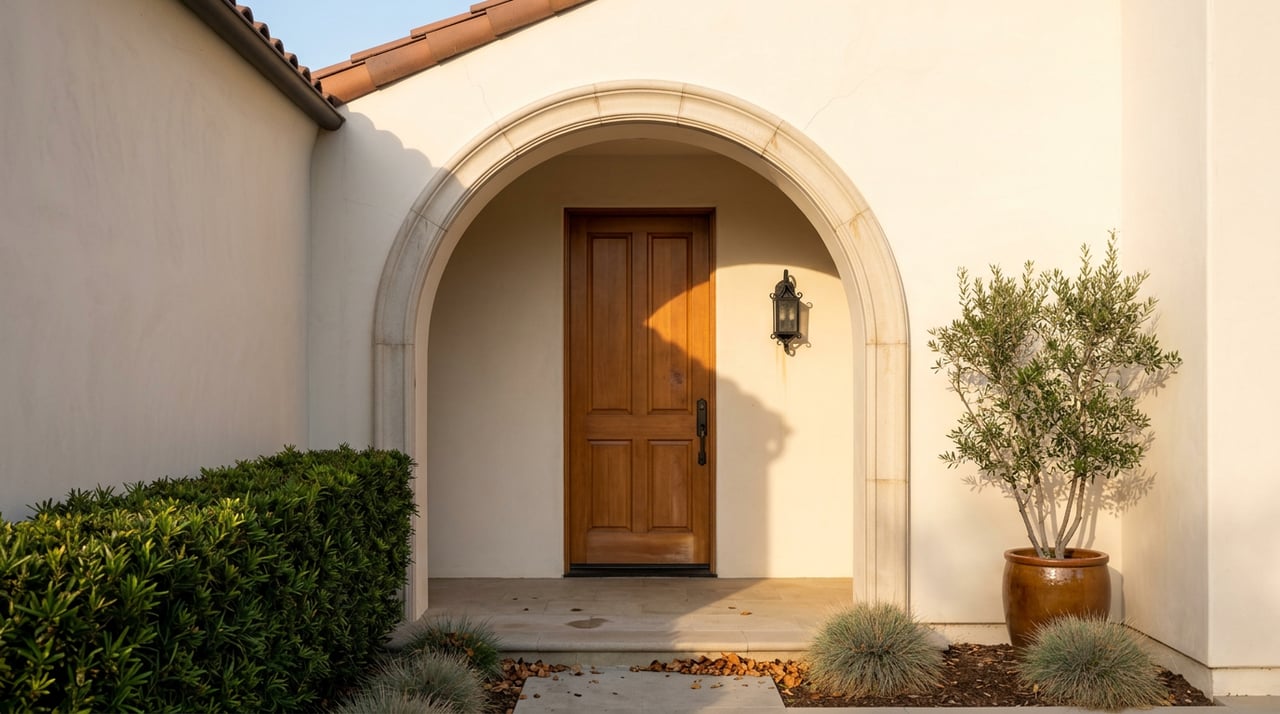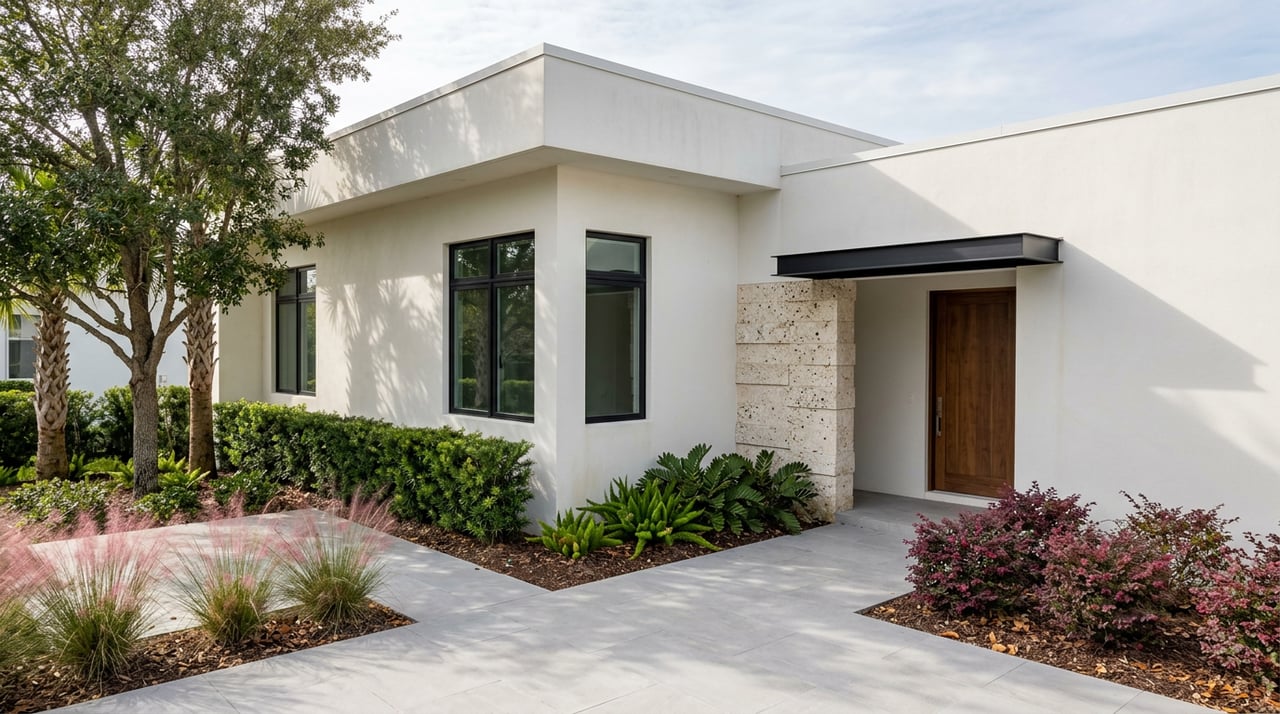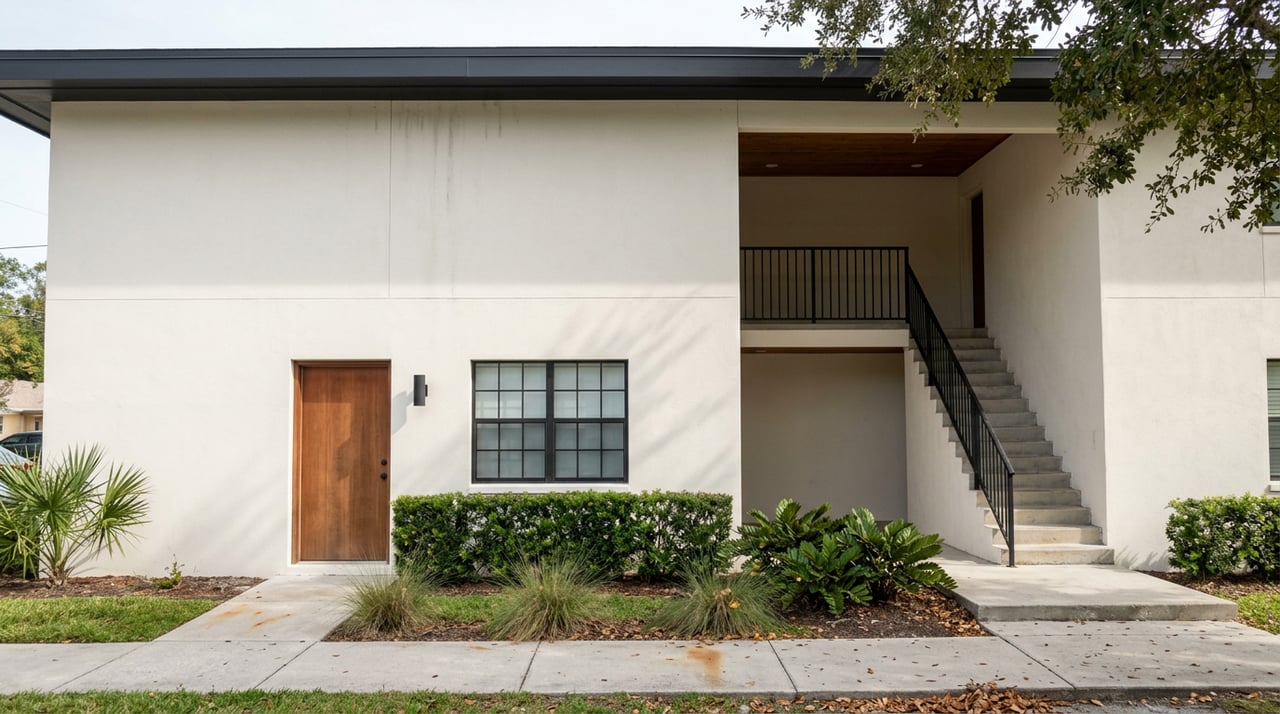
A two-bedroom unit came on the market this summer in a condo building tucked along Lake Lotus, the kind of quiet water view that used to be the whole pitch. The listing did something you rarely saw three years ago: it led with a maintenance timeline. New roof in 2022. Rebuilt stairways in 2025. Fresh exterior paint and siding in 2025. A fully renovated elevator, also 2025. Buried in the details was the real headline, that a special assessment tied to that work was most of the way paid off, and once it clears, monthly dues are expected to settle near $607.
A few miles away, in the 55-plus community of Escondido, one listing put it even more plainly in the marketing copy: special assessment being paid by seller. That phrase has become a selling point in Altamonte Springs the same way granite counters used to be. It tells you something has shifted in what buyers are trained to look for before they'll write an offer.
The Slowdown Isn't About Price
Here's the part that surprises people. Condos in Altamonte Springs are not sitting on the market because they're overpriced or unwanted. As of mid-August 2026, the median condo listing in the city sits around $165,000, with roughly 210 units active and a typical run of about 89 days before a sale closes. Meanwhile, single-family homes in the 32714 zip code, the same city, often the same streets, have been closing in a median of about 32 days at close to full asking price, according to recent Stellar MLS closed-sale data.
That's not a small gap. It's the difference between a market that behaves normally and one where something structural is adding weeks to every deal. Inventory ranges widely too, with condos across the city spanning from the high $80,000s into the mid $300,000s depending on age, size, and location, so this isn't a case of one overpriced pocket dragging down an average. The friction shows up across price points.
The honest answer for why condos take longer isn't buyer hesitation about the unit. It's that the paperwork and the financing behind the unit have gotten harder to move through quickly, and that's true for a $130,000 studio and a $300,000 lakefront unit alike.
What Actually Changed Under The Hood
Florida's Structural Integrity Reserve Study requirement, born out of the 2021 Surfside collapse, applies to condo and cooperative buildings three habitable stories or taller. The original deadline to complete a SIRS was December 31, 2024. Lawmakers pushed it to December 31, 2025 for most associations, with a narrow exception allowing buildings that also had a milestone inspection due by the end of 2026 to complete both at once, but never later than that. That extended deadline has now come and gone for most buildings in the city.
The bigger change for reserves themselves came through HB 913. The threshold for what counts as a mandatory reserve component jumped from $10,000 to $25,000, adjusted annually for inflation, which put the 2026 figure at $25,675. More importantly, associations can no longer vote to waive or underfund the reserve line items a SIRS covers. That loophole, the one that let boards keep monthly dues artificially low for years by deferring the math, is closed for structural items.
Boards used to be able to vote their way out of funding a roof or a foundation reserve. For the items a SIRS covers, that vote no longer exists.
Buildings with three or fewer habitable stories and four or fewer dwelling units are exempt from the SIRS mandate, though they still follow the older reserve rules. That single detail, how many habitable stories a building actually has, has quietly become one of the first questions worth asking about any Altamonte Springs condo before you get attached to it.
The Document That Surfaces All of It
Every Florida condo sale runs through a resale certificate, a snapshot the association has to produce showing the current budget, reserve status, any pending or approved special assessments, and any litigation involving the building. Florida law caps what the association can charge to prepare it at $299, and the certificate has to be delivered within 10 days of a request.
What changed under HB 913 is the window a buyer gets to review that certificate and walk away if something in it is a problem. For contracts signed on or after July 1, 2025, resale buyers now have seven business days to cancel after receiving the certificate, up from three. That's good consumer protection. It's also four extra days built into every single condo closing in the city, multiplied across a market where the certificate itself increasingly contains news buyers didn't expect, like a pending assessment or a SIRS that isn't finished.
Add up the request window, the preparation window, and the review window, and you can lose two to three weeks of a transaction timeline before anyone even gets to inspections.
Financing Got Pickier At The Same Time
The paperwork friction would be manageable on its own. It landed at the same moment lenders tightened how they evaluate condo buildings. Fannie Mae retired its Limited Review process for loan applications dated on or after August 3, 2026, so most condo projects that would have qualified for a lighter review now go through Full Review instead, meaning a lender has to dig into the association's budget, reserves, insurance, and overall financial condition, not just the buyer's credit file. Fannie Mae also expanded a waiver for very small projects, 10 units or fewer, which may spare some of the city's smaller condo buildings from the full process.
The other shift matters even for associations that think they're doing everything right. Florida law allows a method called baseline funding, where an association keeps just enough in reserves that the balance never goes negative, without fully funding for future replacement costs. Since August 3, 2026, Fannie Mae no longer accepts baseline funding at all. An association can be fully compliant with Florida's own rules and still get flagged as a financing risk by a major lender, which can mean a buyer's loan falls through late in the process even though nobody did anything wrong.
This is where the age and structure of the specific building starts to matter more than the neighborhood around it. A 1980s garden-style community like Escondido or a smaller entry-priced pocket like Serravella at Spring Valley, where the trailing 12-month median sale sits around $130,000 with about 64 days on market and cash buyers taking roughly half the closings, carries a different reserve history than newer stock closer to Uptown Altamonte and Cranes Roost Park. Older buildings are more likely to be catching up on decades of underfunded reserves right now. Newer ones are more likely to already meet the funding bar but still get pulled into Full Review simply because of size or ownership structure.
| Vintage garden-condo (built 1980s, low-rise) | Newer stock near Uptown / Cranes Roost | |
|---|---|---|
| Typical price band | Roughly $90,000 to $175,000 | Often $200,000 into the $300,000s |
| Reserve risk | Higher odds of catch-up funding or a recent assessment | More likely already SIRS-compliant, but still subject to Full Review |
| First document to request | Reserve study and most recent SIRS status | Association budget and current lender warrantability status |
What This Means If You're Selling or Buying Right Now
If you're the seller, the sequence that protects your timeline looks like this:
- Order the resale certificate before you list, not after you get an offer, so you already know what a buyer's attorney is going to see.
- Ask your association directly whether the SIRS is complete and whether any assessment tied to it has been approved but not yet billed.
- Disclose known assessments in the listing itself. The Lake Lotus and Escondido examples above show buyers now read that disclosure as a sign of a well-run building, not a red flag.
If you're the buyer, the same document works in reverse. Ask for the reserve study and the SIRS status before you write an offer, not during your inspection period. Confirm the building's actual habitable story count, since three-or-fewer-story buildings with four or fewer units follow the older, more flexible reserve rules. And build the seven-day certificate review window into your expectations from day one, along with a conversation with your lender about whether the building is likely headed for Full Review under Fannie Mae's current standard.
A Few Questions That Come Up Often
Does any of this apply to my single-family home or townhome HOA? No. The SIRS and reserve mandates under HB 913 apply to condominiums and cooperatives governed by Chapter 718. Most single-family HOAs fall under Chapter 720, which has its own reserve rules but no SIRS requirement.
I'm paying cash. Does financing risk still matter to me? It matters for resale. A building flagged as non-warrantable narrows the pool of future buyers to cash purchasers and a smaller set of portfolio lenders, which can affect how quickly you're able to sell later and at what price.
How do I find out if a specific building already has its SIRS done? Ask the property manager or association directly for the study, or request it as part of the resale certificate if you're already under contract. Associations with 25 or more units have also been required to post many of these documents online since January 1, 2026.
Every one of these details, the reserve study, the certificate, the lender's warrantability check, is a place a deal can slow down or fall apart if it's addressed late instead of early. If you're weighing a sale or an offer on a condo in Altamonte Springs, it's worth getting a clear read on where your specific building stands before you set a timeline you can't keep.
Brenda Feliciani works these transactions across Altamonte Springs regularly and can help you pull the right documents before you list or make an offer. Reach out to request your free home valuation and a straight answer on what your building's paperwork actually says.